Wood Floor Installation
Wood Floor Installation Service
What’s Covered on This Page
- Wood Floor Installation in Auckland
- Timber Floor Installation
- Hardwood Floor Installation
- Engineered Wood Installation
- Solid Wood Floor Installation
- Pre-finished Timber Floor Installation
- Floating Timber Floor Installation
- Parquetry Floor Installation
- Subfloor Preparation
- How do I know if I need engineered wood or solid timber for my Auckland home?
- When should I call a wood floor installer rather than just buying floating boards and doing it myself?
- Do Auckland body corporate rules affect which type of floor installation I can choose?
- What is the difference between pre-finished and site-finished timber floors?
- Which wood floor service do I need if my existing floor is worn but not damaged?
- How does Auckland’s climate affect the wood floor installation process?
Need wood floor installation service?
Call now for a free estimate. Call Floor Sanding Auckland Experts now.
Wood Floor Installation in Auckland
Whether you need solid timber, engineered, or parquet flooring installed, we cover the whole of Auckland. A fresh new floor, a replacement for an old one, or a renovation to update a tired-looking floor, consider it done.
Timber Floor Installation
Flooring installation is a big deal for your home. From new builds in Hobsonville Point to the classic villas of Ponsonby and modern fitouts in the CBD, we get it right, making your floor and whole room feel perfect for your needs. When you do it right, it’ll last a lifetime, giving your home a great boost in value. Do it wrong, though, and it’ll cost you plenty in the end.
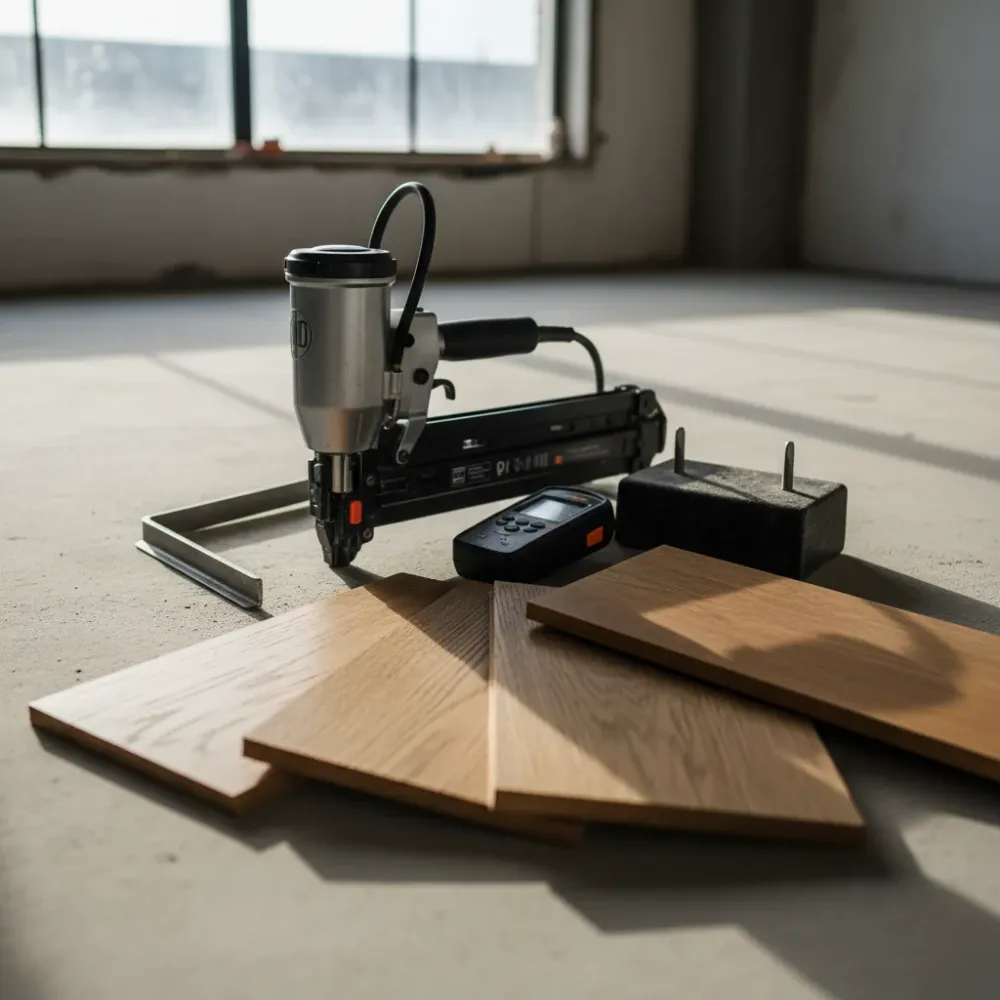
Our first step is to check out the base of your floor. Is the subfloor in decent condition? Are your moisture levels correct? What structural changes do we need to make, if any? Auckland’s weather changes from hot to humid and back again throughout the seasons, which can affect your floor’s stability. We check timber and base for any moisture issues, ensuring that moisture content is in the correct ranges. Miss it and you’ll find yourself with a copped floor with warped or buckled timber with open gaps. (Not to mention you’re probably calling us too late.)
We also allow for acclimatisation. Our floors are laid out in the home at least 48-72 hours beforehand, to let them adapt to your climate and humidity. If your home is in Mission Bay, Devonport, or the Hibiscus Coast, sea-air humidity can affect moisture levels inside a home, so it’s even more important to let your floors adapt to the environment. Be careful if your floors are made of Kauri, as they need a bit more care and attention than most.
There are three main ways that we install floors. Nail-down installations are ideal for character and heritage homes or bungalows with older timber subfloors. Glue-down installations are a good option for concrete bases in newer apartments or builds in the likes of Flat Bush, Long Bay, and Westgate. Floating installations are best suited for engineered timber floors, which sit on top of your underlay rather than being attached directly to your base. Many apartment buildings in places like Newmarket, Parnell and Takapuna require this type of installation due to acoustic reasons in the building code. (Not to mention some body corporate guidelines!)
Choosing the right type of floor will change the vibe of a room. Native timbers such as Rimu, Matai, and Kauri offer natural grain and texture you can’t replicate with cheaper options. Reclaimed native timber also remains a popular choice for Aucklanders, with older homes having a rustic charm and the process being more environmentally sustainable. European Oak, American Walnut and Blackbutt are also a popular option, offering a variety of grain options, as well as stain colours and wear levels.
Look for someone with experience and qualifications, who carries all the correct insurances and who can also provide references from local clients. A good quote should cover all of the costs involved, including subfloor prep, materials, labour, the finish you want, moisture testing, etc. Make sure to ask what their warranty policy is. A 2-year warranty is a standard industry warranty, while 10 years shows that they trust their work and won’t hesitate to make good on that.
Hardwood Floor Installation
New hardwoods can transform a room in no time at all. We install solid hardwoods to homes throughout Auckland, from villas and heritage builds in Remuera to new builds in Hobsonville, making sure to give your flooring the proper attention it needs to stand the test of time.
Solid timber floors can be sanded and refinished several times, making this one of the most resilient flooring types available and a great choice if you’d prefer a floor that ages well.
Need help with wood floor installation service?
Call now for a free estimate. Floor Sanding Auckland Experts is ready to help.
Engineered Wood Installation
Engineered boards cope better with Auckland’s humidity changes than you’d think. Their stable cross-ply timber core means they move less than solid wood would, and we can glue-down or float-engineered timber floors throughout Ponsonby, Takapuna and everywhere else in the city. They work well over concrete slabs, so are good for apartment and townhouse living in Auckland. And even though the core is not real timber, the top layer is so the board looks and feels just like the real timber it appears to be.
Solid Wood Floor Installation
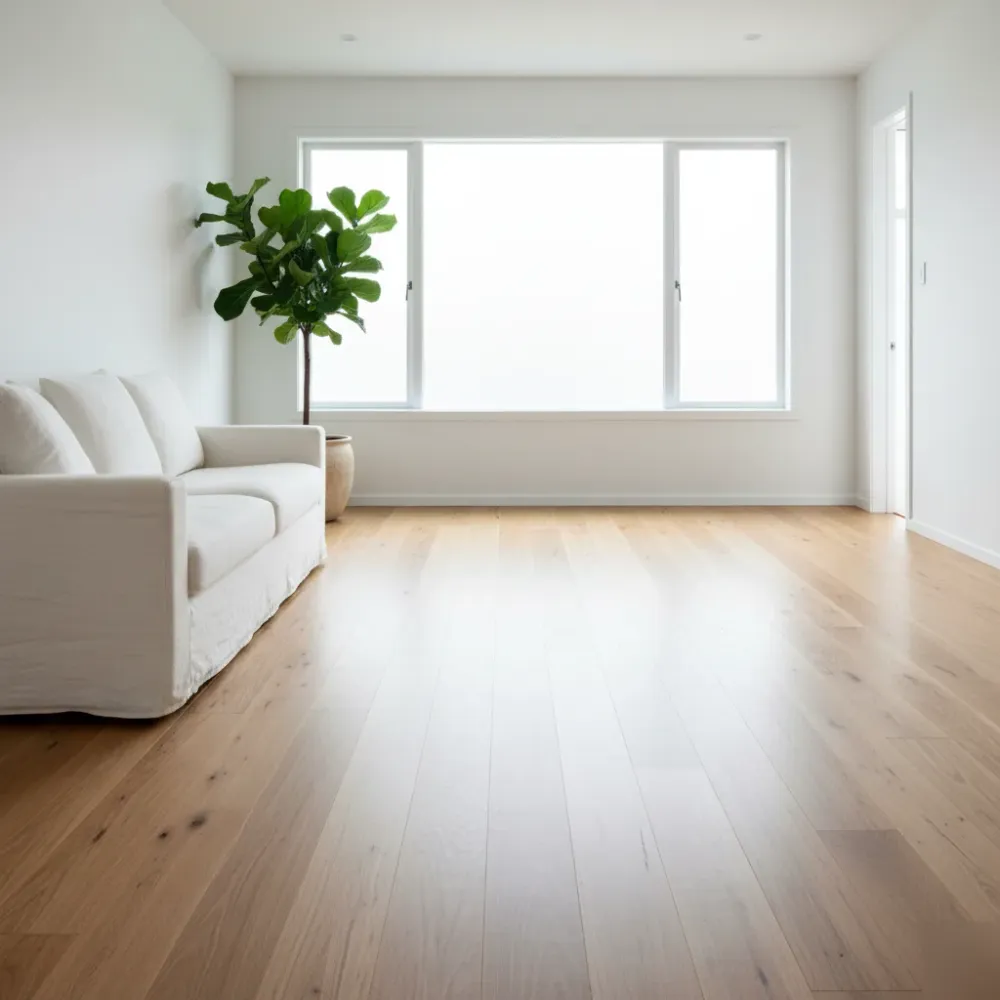
Solid wood floor is for the long haul, and we can install these throughout Auckland homes, from Rimu in Grey Lynn character homes to new-build Oak in Flat Bush. Each board is real timber all the way through and so can be sanded and refinished every few years over its lifespan. Solid timber floors work well where you already have timber subfloor and work well in older homes in character suburbs where the floors should match the age of the property.
Pre-finished Timber Floor Installation
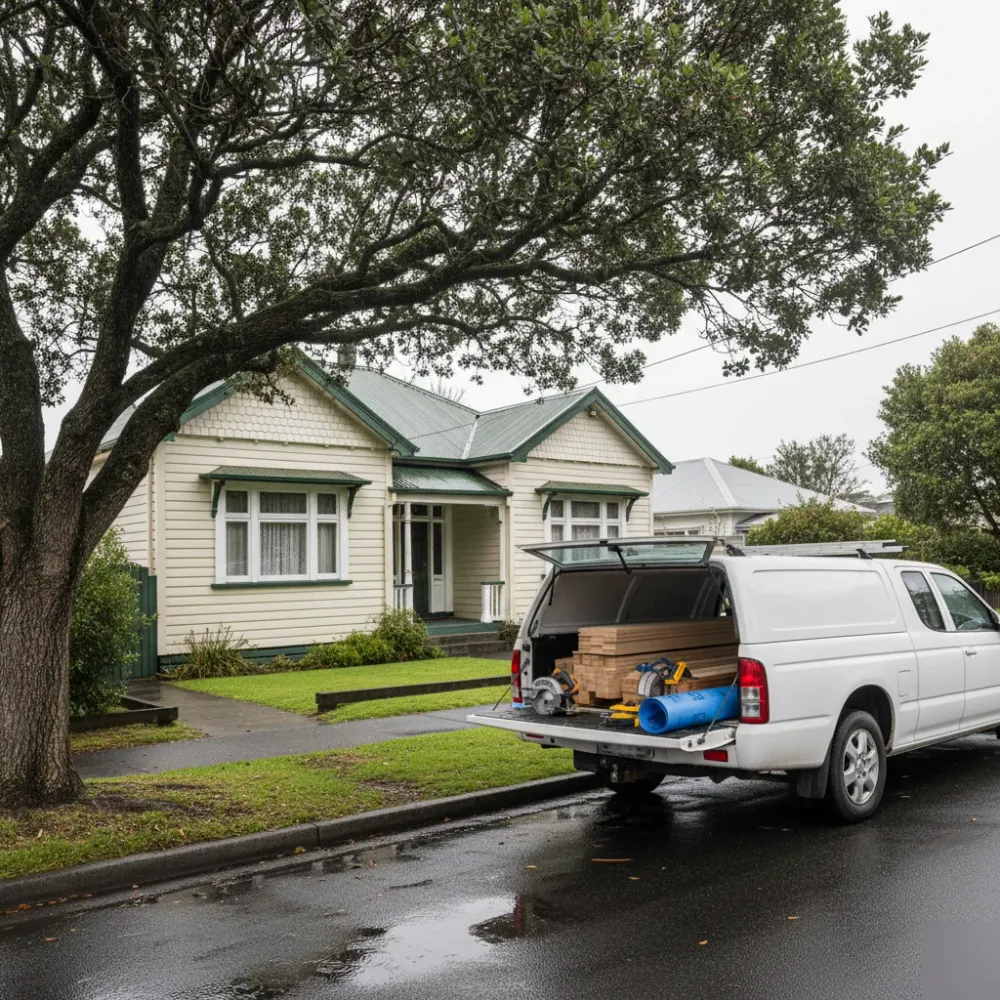
Pre-finished boards come from the manufacturer pre-sanded, stained, and coated. There’s no dust from sanding, no waiting for paint to dry, once we’ve installed it, it’s done. This option works well in homes that are occupied and rentals and commercial spaces where Auckland business owners want to minimize downtime. Pre-finished boards have a factory-finished surface that is generally more even and harder than paint applied on-site, so you get a hard wearing floor from day one.
Need help with wood floor installation service?
Call now for a free estimate. Floor Sanding Auckland Experts is ready to help.
Floating Timber Floor Installation
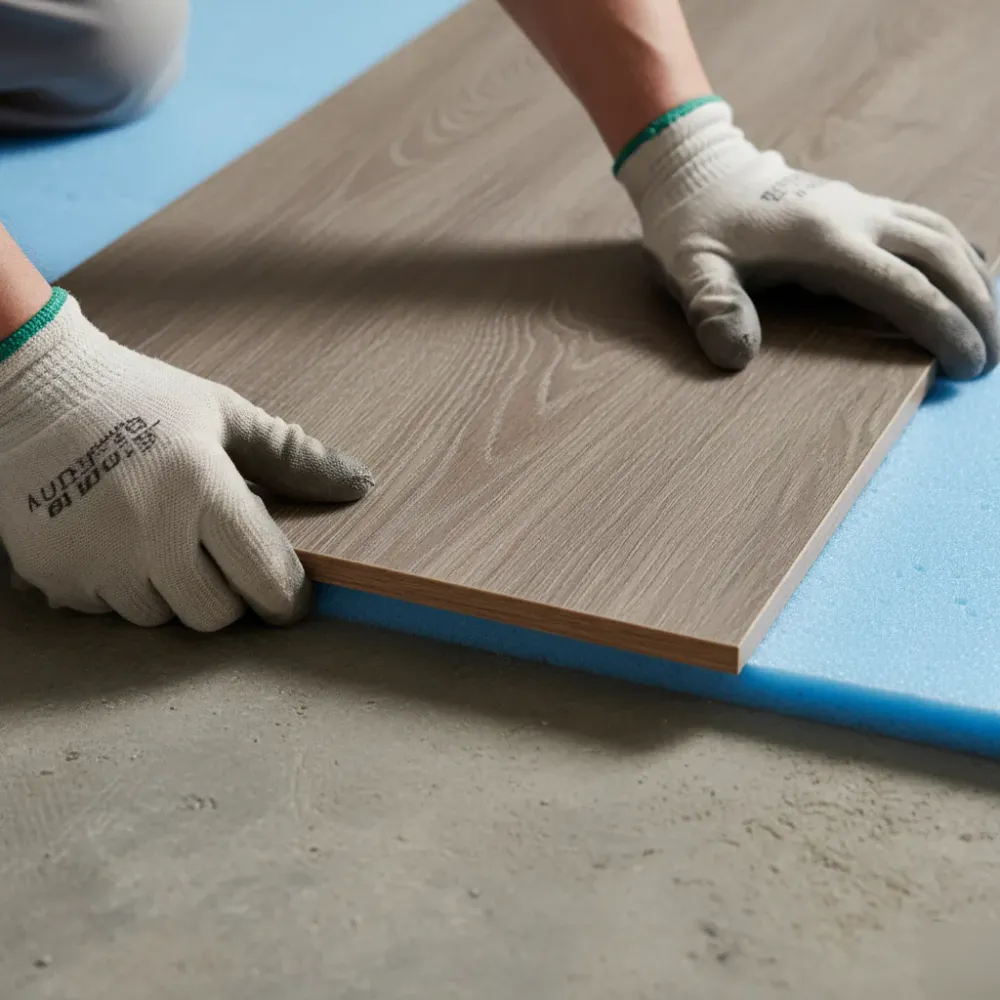
Floating timber floors click together over the subfloor without the use of glue or nails and are quick and easy to install. They work well in Auckland apartments where adhesive is not permitted by body corporate. They are installed over underlay that cushions them, provides a moisture barrier and sound-proofing. They work well over under-floor heating in newer homes in south Auckland and on the north shore where glue-down would cause problems with transfer of the heat.
Parquetry Floor Installation
Parquetry floors grab people’s attention. We install classic parquet patterns including herringbone, basketweave, and brick bond layouts. Each layout has to be carefully planned out before a single block is fixed down. Many Aucklanders, particularly in Epsom and Remuera, choose parquetry as the best layout for their home. The layout becomes a striking feature for your floor. (And, it will show up every installation flaw.)
Subfloor Preparation
The success of any timber floor project can depend on a lot of factors, but the key is ensuring the subfloor is the perfect candidate for the installation. Skimp on the subfloor and you’ll experience squeaks, movement and repairs later. Given Auckland’s fluctuating humid conditions, wet seasons and coastal air, you must pay close attention to subfloor preparation. We will first begin by determining whether you have a:
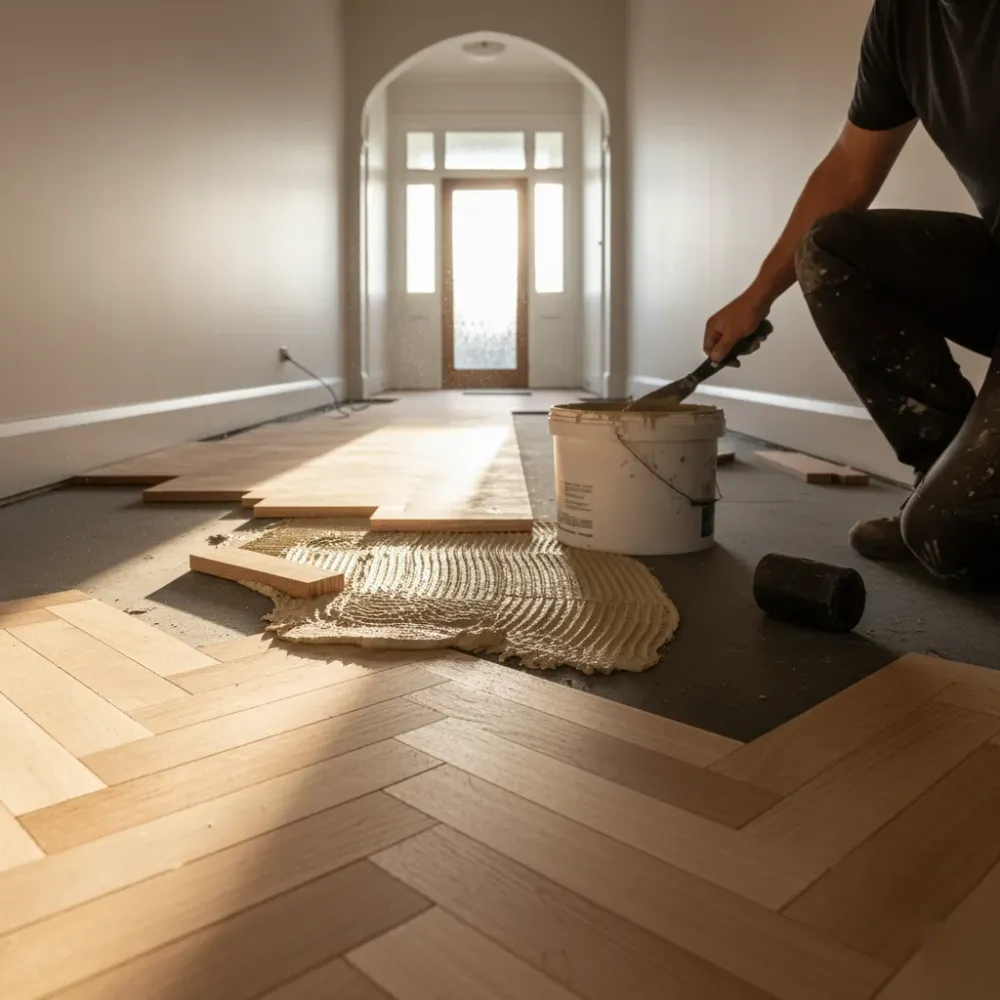
Every subfloor type has its own challenges. Concrete, particleboard and older timber will all require a different fix. Particleboard is common in many Auckland homes constructed from the 60s through to the 90s, it can swell or become soft when moisture seeps in. We check for evenness, structure and water damage across the entire floor area. Ventilation problems under the house are frequent on the North Shore, West Auckland and even some parts of South Auckland, particularly where homes are built on sloping blocks.
Next, we carry out moisture testing. For concrete slabs, this includes using calibrated hygrometers or calcium chloride tests. According to New Zealand standards, concrete subfloors need to be below 75 per cent relative humidity before timber is installed. In Auckland’s climate, a new slab can take longer to dry out than you might imagine. For timber and particleboard subfloors, pin-type moisture meters need to show readings of 14 per cent or lower. If results come back over, we might recommend a polyethylene vapour barrier, a liquid moisture coating or better under-house ventilation.
Levelling is another element that we can’t afford to rush. According to New Zealand industry standards, subfloors should be level within three millimetres over any two-metre span. Older Auckland villas and bungalows in suburbs such as Ponsonby, Grey Lynn, Devonport and Mt Eden commonly show dips and high spots as a result of settling. We use laser levels and straight edges to get the lay of the land. Low points get filled with self-leveling compound. High points on concrete get ground down.
When it comes to suspended timber subfloors, we’ll make sure any loose boards are securely fixed, damaged areas are repaired and all fixings sit flush. Protruding nails cause squeaks and can get in the way of adhesive. Occasionally in a renovation project we’ll lay a layer of plywood underlay on top of the existing subfloor to help make a more stable base.
And finally, it’s good to get the area spotless before laying begins. Dust, adhesive residue, paint and debris all need to be removed. Concrete slabs in Auckland frequently have leftover carpet glue, vinyl adhesive and even tiles adhesive that can compromise the bond. Scrapers, grinding equipment and commercial-grade vacuums help prepare the surface.
A thorough subfloor prep job can add an extra one to three days to a project, but it’s worth it. It ensures the new timber floor has a stable, flat, solid base and is installed correctly, helping a long life. A flooring company worth its salt will include the cost of subfloor checks in the quote and tell you up front if there’s further preparation work to be done before laying the first plank. We do too.
Laminate Floor Installation
Laminate is a popular choice for Auckland rental properties and active households. Laminate flooring can withstand foot traffic, is hardwearing and affordable compared to solid timber. We carry out a complete laminate floor installation including subfloor preparation. A high-quality new laminate floor looks so much better than it did ten years ago. It can also give you the appearance of solid timber without the same price tag. For rental investment properties in West Auckland and Manukau, this is often a trade-off that landlords are happy to take.
Frequently Asked Questions
Common questions about wood floor installation service services
How do I know if I need engineered wood or solid timber for my Auckland home?
It comes down to your subfloor and where you live. Solid timber suits older character homes in Grey Lynn or Remuera with timber subfloors. Engineered boards handle Auckland’s humidity swings better and work well on concrete slabs in apartments and newer townhouses. If you’re near the coast in Devonport or Mission Bay, engineered timber is usually the steadier choice.
When should I call a wood floor installer rather than just buying floating boards and doing it myself?
Call a professional when subfloor prep is involved. Most Auckland homes need moisture testing, levelling, or structural checks before any boards go down. Skip that and you get cupping, squeaking, and gaps within a year. If your home is older, near the coast, or on a concrete slab, a proper installer will catch problems you won’t see until it’s too late.
Do Auckland body corporate rules affect which type of floor installation I can choose?
Yes, they often do. Many apartment buildings in Newmarket, Parnell, and Takapuna require floating floors for acoustic reasons under the New Zealand Building Code. Body corporate rules can also rule out wet adhesives entirely. Check your rules before you choose an installation method — your installer should know what applies in your building.
What is the difference between pre-finished and site-finished timber floors?
Pre-finished boards arrive already sanded, stained, and coated — you get a finished floor the same day. Site-finished floors are sanded and coated on the job, which means dust and drying time. For rentals, occupied homes, or commercial spaces in Auckland where downtime matters, pre-finished is usually the better fit. The factory coating is also harder and more even than most site-applied finishes.
Which wood floor service do I need if my existing floor is worn but not damaged?
If the boards are solid timber and structurally sound, you likely need sanding and refinishing rather than a full replacement. Solid wood floors can be sanded back many times over their life. A good installer will check the board thickness and subfloor condition first. Replacing a floor that just needs refinishing costs more and wastes good timber.
How does Auckland’s climate affect the wood floor installation process?
Auckland humidity moves between summer and winter, and that affects how timber behaves. Boards need 48 to 72 hours to acclimatise in the room before installation starts. Near the coast in Devonport, Mission Bay, and the Hibiscus Coast, sea air pushes indoor moisture around more. Moisture testing of both the timber and subfloor is not optional here — it decides whether your floor stays flat.
Ready to Get Started?
Call now for a free estimate Call 09 888 0793 today.
