Residential Floor Sanding & Polishing
Residential Floor Sanding & Polishing
What’s Covered on This Page
- What Signs Your Floors Are in Need of Sanding
- What Will You Notice With Sanding and Polishing?
- Auckland Floor Sanding: Rimu, Matai, Kauri, Why a Specialist?
- Before We Start Sanding
- How to Choose the Best Finish for Your Auckland Home
- How long does residential floor sanding and polishing take in Auckland?
- Can Auckland’s native timber floors like Rimu and Kauri be sanded the same way as imported timber?
- What should I do to get my home ready before the floor sanders arrive?
- My Auckland home has sun-damaged floors in north-facing rooms — can sanding fix that?
- My floors squeak and have some bounce — does that need to be fixed before sanding?
- Is water-based polyurethane a good finish choice for Auckland homes?
What Signs Your Floors Are in Need of Sanding
We usually don’t get an enquiry until the timber floor in your home has already looked a bit worse for wear for weeks or even months. The boards have faded. There’s visible wear in spots. You can’t remember when you last saw the floor look good, and you can’t work out why. It just doesn’t look right anymore.
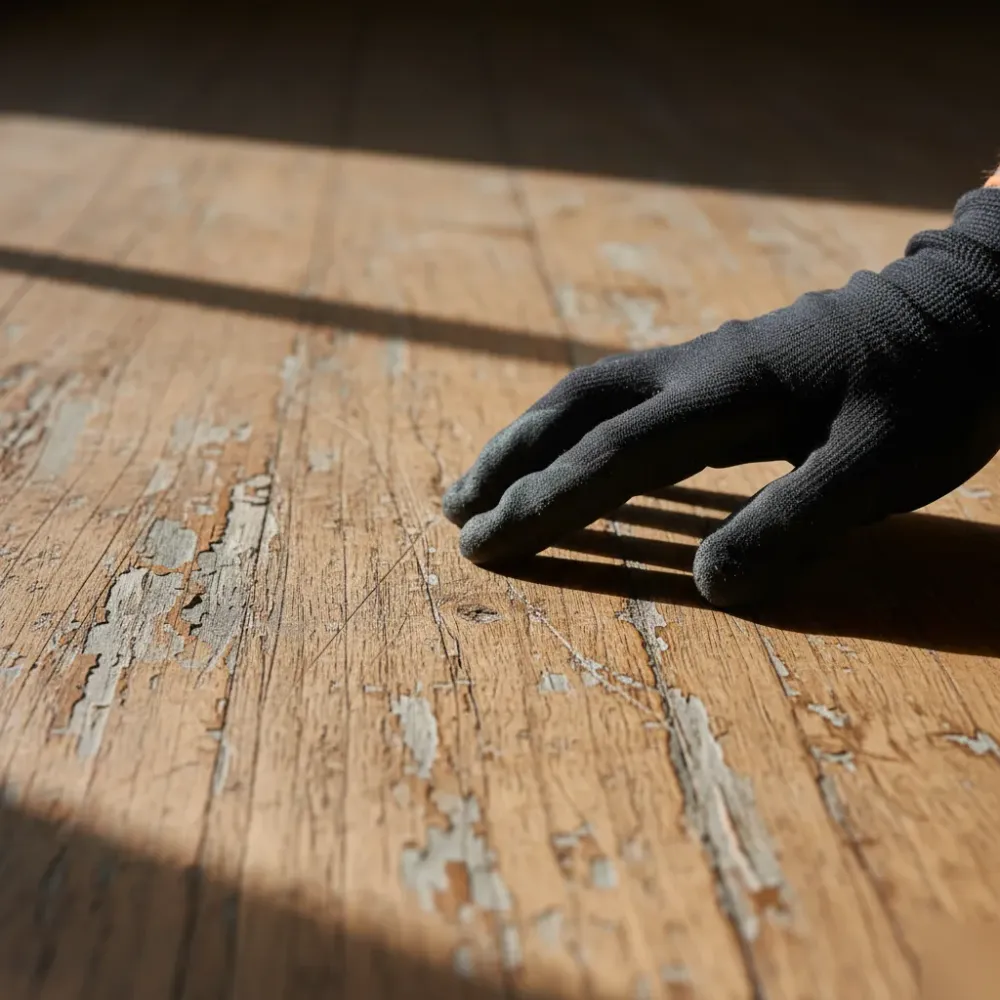
Here are a few things you should look out for. These are the most common issues we come across when visiting homes in Auckland for floor sanding:
- Scratches and surface scuffs. Most often, you will notice scratches and scuff marks in a high traffic area of your home, such as your hallway or living room. This happens because the protective surface layer has worn away and the timber is wearing down and greying.
- Lifting or peeling. This may happen on floors that were once coated in polyurethane. The coating becomes damaged and peels away into white patches or flaking on the flooring surface.
- Water damage and spills. Water stains on a floor are hard to treat. Spills that are not mopped up fast enough can leave dark patches on timber flooring. The mark will not disappear with just cleaning.
- Timber feels rough. You might notice splinters in areas of your home where there is the most foot traffic. The timber is exposed and not protected.
- Uneven shades or discolouration. Many north-facing rooms in Auckland are the most vulnerable to sun exposure. You will see the same effect in front rooms in suburbs such as Remuera or Mt Eden.
Another tell-tale sign of a floor in need of restoration is when the floor under carpet looks better than the areas left exposed. The flooring has been deteriorating since the carpet was installed.
Floor wear and tear happens over time, so it is never sudden. If the damage is noticeable, the floor has already suffered. The longer you wait to act, the deeper we will have to go during sanding to get back to the good timber beneath.
If you have floorboard bounce or squeaks, we can take care of timber repairs before we carry out floor sanding and polishing. Those symptoms are generally a good sign you are ready for residential floor sanding in Auckland. Not sure? Take off your shoes and walk around your house. Your feet will tell you the truth.
What Will You Notice With Sanding and Polishing?
We are often asked this, and rightly so. We will be in your house for a number of days, so you should know what we are up to. Here is a brief overview of the process for residential floor sanding in Auckland:

- Inspect and plan. We inspect every floorboard, hammer in loose or protruding nails, and mark any sections that need repair or replacement. Rimu reacts slightly differently to Matai and aged Kauri in places like Grey Lynn, so we check how much sanding each floor needs before starting.
- Coarse sand. This is the heavy-going phase that removes old varnish and flattens out uneven boards. Yes, it is messy, but we use high-quality dust extraction, so your floors don’t look like we’ve been excavating the land.
- Fine sand. We move to finer grade sandpaper until we are left with a smooth surface. This is also where the natural colour and grain of the floor begin to show.
- Fill gaps and prepare. If you have gaps in the floor, we fill these using a mix of sanding dust and resin that matches the colour of the timber. We also hand sand along all edges and skirting boards for a smooth finish.
- Apply finish. Many Aucklanders use a water-based polyurethane because it dries quickly, has little smell and produces a durable finish. Others prefer the look of hardwax oil. We discuss that before we begin.
- Cure and inspect. Each layer is left to cure properly and multiple coats are applied, with light sanding between layers. We then inspect our last coat in raking light to check it is flawless.
Depending on the size of the home, the process normally takes three to five days. People try to rush us all the time, but it usually ends up costing more. Sanding is just half the job. The other half is getting the finish on, and that takes skill. If the finish is wrong, your floor will bubble, show lap lines, or peel back after 12 months. We have seen the worst of both worlds and learned not to make those mistakes.
Not sure what you need? Contact us today for a free quote.
Auckland Floor Sanding: Rimu, Matai, Kauri, Why a Specialist?
Many Auckland homes are not new builds, and instead may contain native timbers such as Rimu, Matai and Kauri. In some cases you can pull up old carpet and end up with rare Totara or Heart Pine to work with too.
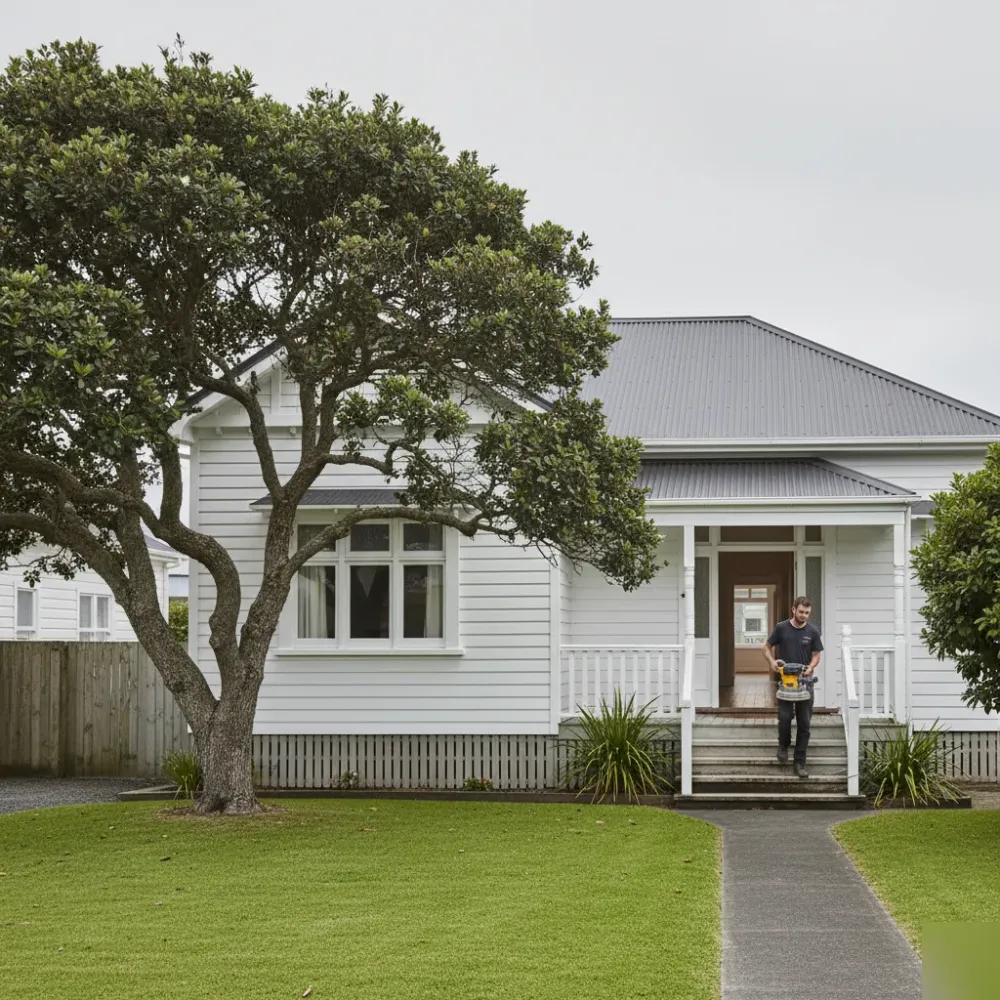
These native timbers, as good-looking as they are, need a different level of knowledge and care than imported Oak or Pine floors.
We come across a lot of poorly sanded floors from inexperienced floor sanders, with drummed finishes where the boards undulate unevenly. In the worst cases, the finished floor simply looks bad and won’t last very long. Each timber species in New Zealand has its own density and grain structure, and that can catch out an inexperienced sanding contractor.
A few examples:
- Rimu has a softer grain and will scratch and mark quite easily if you go too hard with your sanding sequence, or sand one spot for too long. Be too aggressive and you can cut through to the softer wood and start digging a channel that will need filler to repair.
- Matai is harder than Rimu and a more robust floor covering, but it has finicky properties where some stain and finish combinations can result in the wrong colour, and where the finish can sometimes start to flake off after a while. Some staining combinations need to be tested first.
- Kauri is a more delicate timber than just about any other you’ll be working with. You’ll often see it in historic houses in suburbs like Ponsonby and Grey Lynn, with floors that have been in place for over 100 years. They don’t respond as you would expect from fresh-cut boards.
The next thing is age. Auckland is a city of older homes, and the floors are as old as the houses they’re in. They have decades of foot traffic, dents from heavy furniture, and moisture from humid summers and dry winters. Your floor could be warped, cupped and with varying gaps in the boards depending on the time of year. A good sander first needs to understand what they’re looking at.
We see these species every week, and the process for sanding and finishing them varies depending on the age of the floor and the finish required. There is no one-sand method for all floors.
A Kauri floor in Devonport is a lot different to sand than a Rimu floor from a 1970s villa in Mt Eden.
Knowing the timber and species is even more important than knowing how to operate the sander. When we get called in to fix up a bad sanding job, more often than not it’s because the contractor didn’t understand how the timber worked and went at it all wrong. Your floors deserve better than that.
Need help with residential floor sanding & polishing?
Request a free quote. Floor Sanding Auckland Experts is ready to help.
Before We Start Sanding
Preparation is a really important part of the process. We take care of most of it for you, but if you’re able to do some of the things below then we can start on the floor sanding as soon as we arrive at your home.
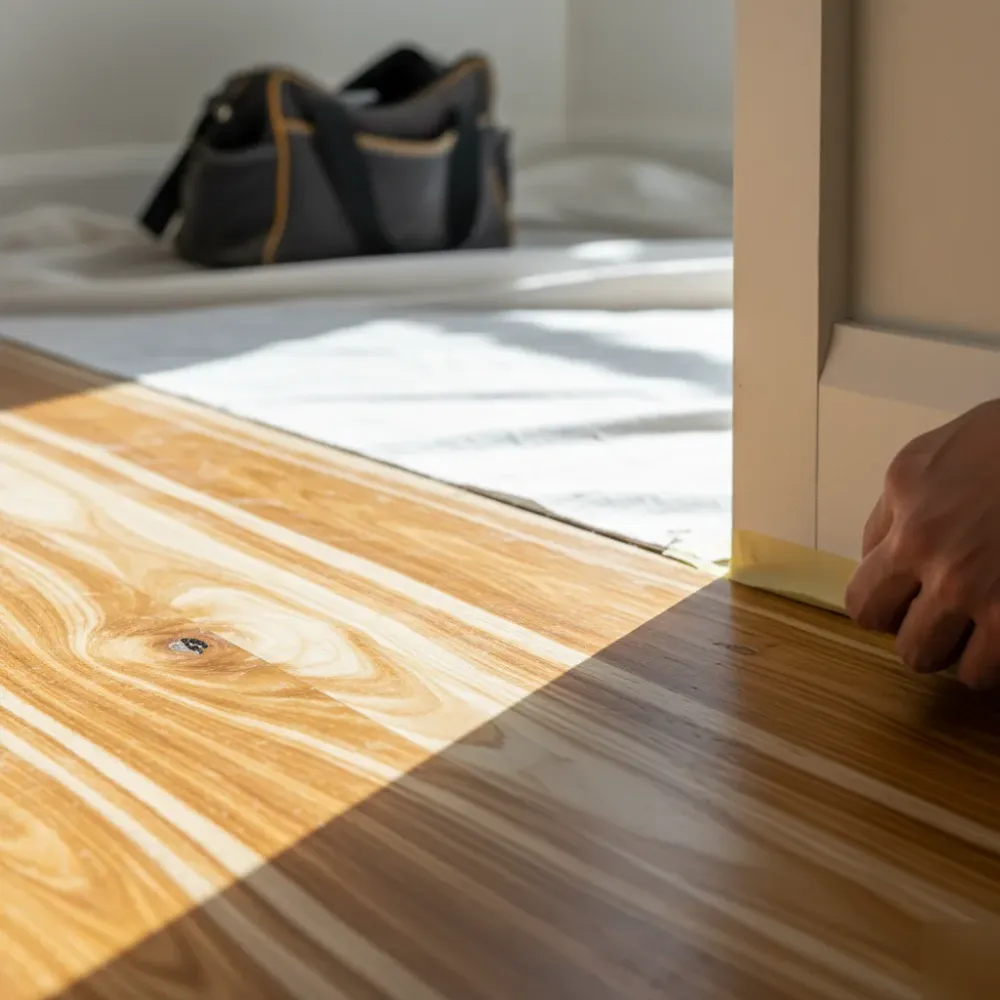
Our first instruction to you is to remove everything from the rooms that will be sanded. We’ve had many customers leave a bookcase in the corner because they didn’t want to bother moving it, and we’ve had to say we just can’t do that for you. The floor space needs to be clear so the floor sanding machines can do what they need to. If some of your furniture is too heavy to move, please let us know and we can help.
Here is a list of things that you will need to have completed before our floor sanding begins in your home:
- Remove all furniture, rugs and other loose items from the rooms to be sanded.
- Have curtains in those rooms tied out of the way or completely removed, as they can get in the way and collect a great deal of dust.
- If there are any nail heads, screws or staples sticking up out of the floorboards, those need to be removed. This is something we are able to check for you.
- Make sure there is clear access into your house so we are able to get our sanding equipment to where it needs to go.
We take care of dust extraction on most sanding projects and will do our best to keep down any additional dust from the sanding machine. If there are rooms in your home that you want to keep clean, please make sure they are sealed with clear plastic sheeting and any open shelving in your kitchen is covered up. For your pets, if you are able, please have someone look after them while the sanding takes place as the noise can be very upsetting for our little furry friends.
One thing that can easily be forgotten is ventilation. For the sanding process this does not matter, but when we start applying the finishing products to your floors, having those rooms open will let fumes escape and will help your newly sanded floors dry more quickly. Please check that your security stays are not preventing this.
Houses that date back to the early 1900s, especially in inner-city suburbs like Grey Lynn or Ponsonby, may need old sash windows pre-loosened before we apply the floor finish. Do you need to move out while the floor sanding takes place? If it is only one room then the answer is no. If it is your whole ground floor then you may need to stay at a nearby hotel or family home for a day or so, depending on drying times. You will know exactly what is best for your floor sanding project at the time of our onsite survey. Have questions about what to move out and for how long? Give us a call and we are happy to answer.
How to Choose the Best Finish for Your Auckland Home
The finish of a floor plays a role in the way it looks, performs and needs maintenance over many years. We discuss this with each of our customers because the ideal finish for one home can be quite wrong for another. What suits a family with small children and pets will not suit an elderly couple in Remuera. Likewise, the ideal finish for an investment property will probably not be best for your own family home. The finish types we have most experience with are the following:
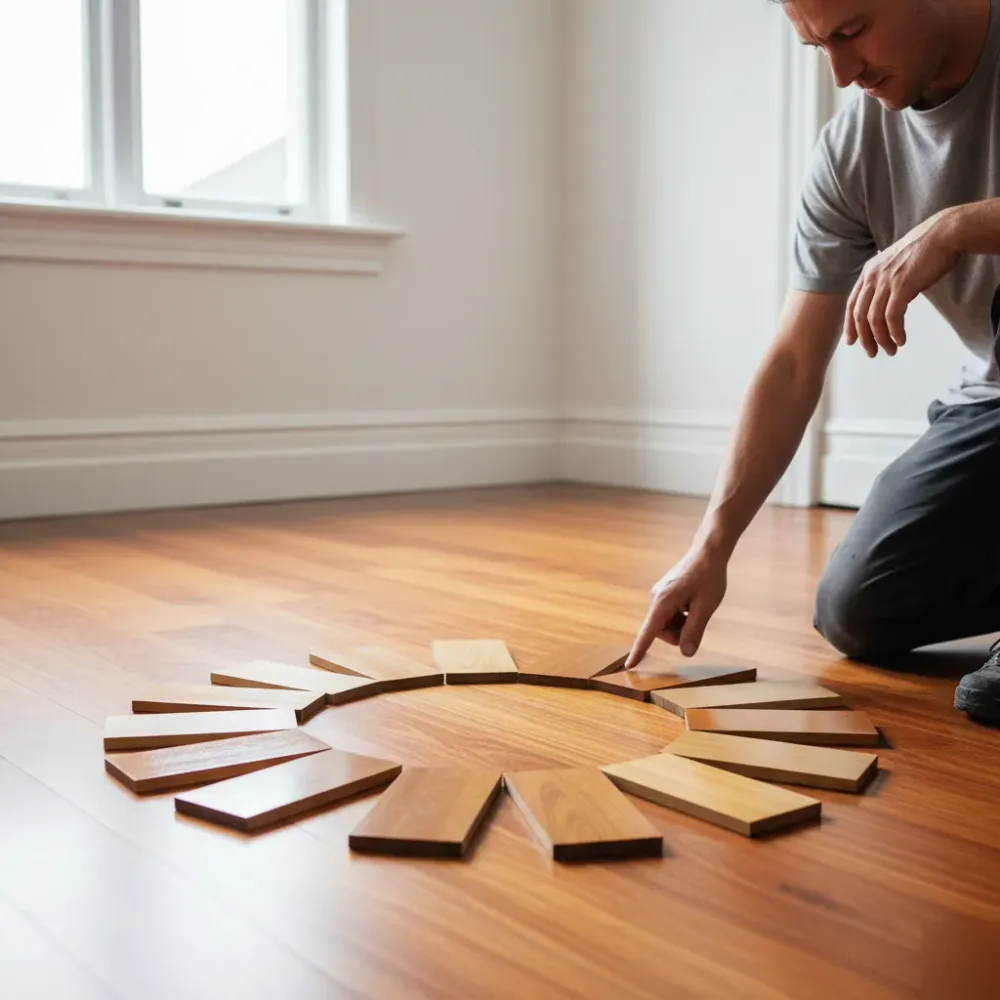
- A water-based polyurethane is quick to apply, has minimal odour, and will dry without yellowing the timber. Great for families who want a floor back in use quickly.
- A hardwax oil or natural oil is absorbed by the timber rather than sitting on the surface. It gives a natural, low-sheen look and is a favourite for people in older properties in Ponsonby or Grey Lynn who want that raw timber finish.
- A clear polyurethane coating is more durable and a little shinier, making it more suitable for higher-wear areas such as hallways.
- Floor staining and colour matching lets you change the colour of the timber, making the wood darker or warmer, or match new timber to an existing floor when extending a timber area.
Each finish can have a different outcome on different timbers. What happens with Rimu will be very different from the outcome we get when we treat Kauri or Matai. Rimu can be stained well but can become blotchy. Kauri looks stunning when oiled but can also become blotchy if applied poorly. Matai looks good finished with a water-based polyurethane.
It is a very common question for people to ask us what kind of finish to go for because most people have never thought about the finish they have when they move into their home. For all the jobs we do, we always finish a test patch, normally small and tucked away behind a door, so that you can see the effect of the finish before we commit to the whole room. The end result is what you see: the whole room, every time.
We always say to our clients that finishing the floor is just as important as sanding it. The sanding process may have been done correctly, but if the wrong product is chosen or the application is poor quality then the whole flooring project can be damaged. Every year we are hired to fix DIY finishes where the floor finish failed within a short time. The flooring will be prepared correctly, the finish will be laid with an even application and given enough time to dry properly, and the skill needed to lay the finish under the right conditions matters to the final result.
Frequently Asked Questions
Common questions about residential floor sanding & polishing services
How long does residential floor sanding and polishing take in Auckland?
Most homes in Auckland take three to five days from start to finish. That includes sanding, gap filling, and applying multiple coats of finish with curing time between each coat. Rushing the process is the most common reason floors bubble, show lap lines, or peel within a year. The size of your home and the condition of the timber both affect the timeline, so we always assess before giving you a firm schedule.
Can Auckland’s native timber floors like Rimu and Kauri be sanded the same way as imported timber?
No, they cannot. Rimu, Matai, and Kauri each have different densities and grain structures that require a different sanding approach. Rimu scratches easily if you sand too aggressively. Kauri, which you often find in older homes in Ponsonby and Grey Lynn, is especially delicate and behaves differently from freshly cut timber. Using the wrong technique on these native species can cause channelling, uneven boards, or finishes that flake off early.
What should I do to get my home ready before the floor sanders arrive?
Clear the rooms of furniture, rugs, and anything sitting on the floor before we arrive. Cover or remove items in adjoining rooms that could collect fine dust. Even with good dust extraction, some dust will travel. If you have pets, arrange for them to stay elsewhere during the sanding days. The more access we have to the full floor area, the cleaner and more even the result will be.
My Auckland home has sun-damaged floors in north-facing rooms — can sanding fix that?
Yes, in most cases sanding can remove sun discolouration and restore an even colour across the floor. North-facing rooms in suburbs like Remuera and Mt Eden get strong UV exposure, which fades and greys the timber surface over time. Sanding removes the damaged layer and brings back the natural grain and colour underneath. A UV-resistant finish applied afterwards will slow down future fading.
My floors squeak and have some bounce — does that need to be fixed before sanding?
Yes, timber repairs should happen before sanding begins. Squeaks and bounce usually mean loose boards or subfloor movement, and sanding over them will not fix the problem. We hammer in loose nails and carry out any necessary repairs first, so the surface is stable before we start. Skipping this step means the finish can crack or lift at the problem spots not long after the job is done.
Is water-based polyurethane a good finish choice for Auckland homes?
Water-based polyurethane is a popular choice for Auckland homes because it dries quickly, has very little odour, and produces a tough, durable finish. It also means you can move back into your home sooner. Some homeowners prefer hardwax oil for a more natural look and feel. We talk through both options with you before starting, taking into account your timber species, how the room is used, and the look you want.
Ready to Get Started?
Request a free quote. Call 09 888 0793 today.
