Commercial Floor Sanding and Polishing
What's Covered on This Page
- How to Tell If Your Commercial Floor Needs Sanding or Just Polishing
- What the Commercial Floor Sanding Process Involves
- Scheduling Commercial Floor Work Around Your Business Hours
- Finish Options That Hold Up in High-Traffic Commercial Environments
- Protecting Native Timber Floors in Auckland's Older Commercial Buildings
- How do I know if my Auckland commercial floor needs sanding or just a polish?
- How long does commercial floor sanding take, and will my business need to close?
- Does commercial floor sanding create a lot of dust in my space?
- Does the type of timber in my floor affect how it gets sanded and finished?
- What finish is best for a high-traffic commercial floor in Auckland?
- How do gap filling and board repairs work on older Auckland commercial floors?
Need commercial floor sanding and polishing?
Call now for a free estimate. Call Floor Sanding Auckland Experts now.
How to Tell If Your Commercial Floor Needs Sanding or Just Polishing
This is the question we get asked most. Most people guess wrong.

Here's the quick test we tell Auckland business owners to try. Pour a tiny bit of water on the floor. If it beads up and sits there, your finish still has life in it. If it soaks in fast or the timber goes dark, that coating's done. You're looking at sanding, not just a polish.
But water alone won't tell you everything. You need to look at what's happening across the whole floor. Here are the signs that tell us you need a full sand and polish rather than a simple recoat:
- Deep scratches or gouges that catch your fingernail when you run it across the surface
- Grey or blackened patches where moisture has reached bare timber
- Visible wear paths, especially from the front door to the counter or between high-traffic zones
- Old stain or finish peeling up in sheets or flaking off underfoot
- Uneven colour from past patch repairs that never matched properly
Now if your floor just looks a bit dull, maybe with light scuff marks from furniture or foot traffic, that's different. A buff and recoat might sort it. We do plenty of those across offices and retail spaces in Newmarket, where the timber's still solid underneath but the top coat has worn thin.
The floors we see in Auckland commercial spaces have often been left too long. Someone notices the wear, puts it off another six months, then calls us when the damage has gone past the finish and into the timber itself. That's when a simple polish won't cut it anymore.
Not sure which camp your floor falls into? That's pretty common. We can tell within five minutes of walking through your space. The grain pattern, the timber species, how deep the damage goes, it all matters. Rimu behaves differently to Matai. A Kauri floor in a heritage building on Ponsonby Road needs a different read than engineered timber in a newer fit-out.
Getting this call right saves you real money. Full sanding when you only needed a recoat is a waste. Polishing over damaged timber just hides the problem for a few weeks.
What the Commercial Floor Sanding Process Involves
Commercial floors cop a hiding. We're talking about spaces where hundreds of people walk every day. So the process we use on a retail store in Newmarket or a school hall in Mt Albert looks quite different from a lounge room job.
Here's how we break it down on a commercial floor sanding project in Auckland:
- Site assessment and planning. We walk the floor first. Every square metre. We're checking for loose boards, old adhesive residue, nails sitting proud, and moisture levels in the subfloor. On bigger jobs we map out the work in zones so your business can keep running while we sand.
- Furniture and fixture protection. Most commercial spaces have fixed counters, shelving, or equipment that can't move. We mask and protect everything before a single machine touches the floor.
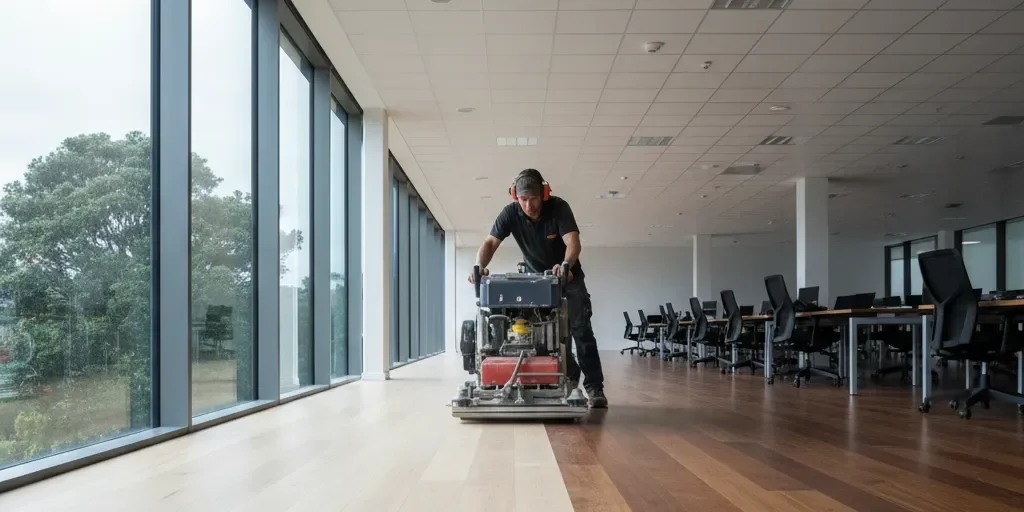
- Coarse sanding. This is where the old finish comes off. We use industrial drum sanders and edgers that handle large areas fast. Old polyurethane, paint, stain marks from years of foot traffic, it all goes. We run dust extraction gear on every machine because nobody wants fine timber dust settling on stock or equipment.
- Fine sanding passes. We step through progressively finer grits. Each pass smooths out the scratches left by the one before. You can't skip grits and expect a good result. We see that mistake on floors other operators have done.
- Gap filling and repairs. Commercial floors almost always have gaps from timber movement. We fill them with a flexible filler matched to the timber species. Damaged boards get replaced where needed. For a deeper look at concrete floor repair standards and best practices, the Good Repair Guide: Concrete floors from BRANZ is a useful reference for understanding how surface preparation and repair principles apply across commercial flooring types.
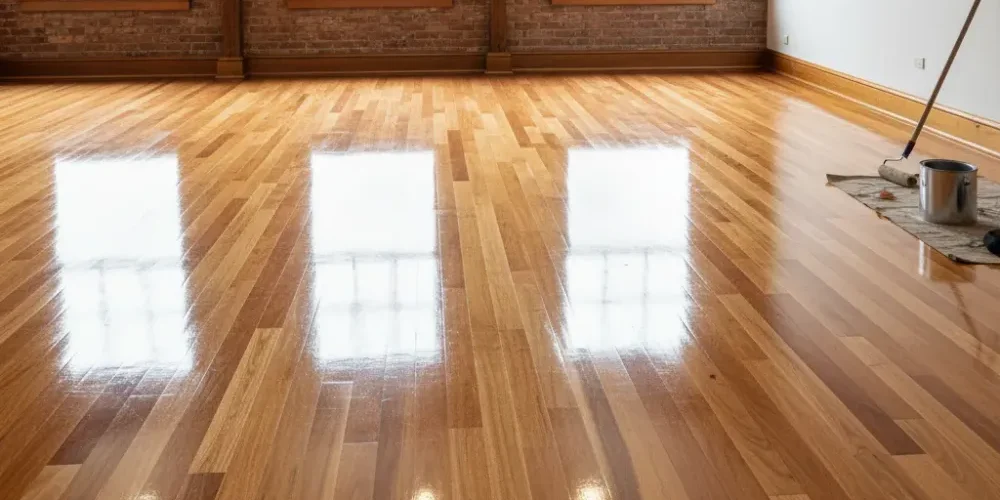
- Final buff and coating. Once the floor is glass-smooth we apply the finish. For high-traffic commercial spaces we typically recommend water-based polyurethane. It dries fast, handles heavy foot traffic, and doesn't yellow over time the way solvent-based products can.
The biggest concern for most clients is downtime. We get that. A closed shop floor means lost revenue. That's why we plan most Auckland commercial jobs for after hours or in staged sections. We've sanded entire office floors over a single weekend and had them ready for staff Monday morning.
And the dust? Our extraction systems catch the bulk of it at the source. Not perfect, but close enough that you won't be wiping surfaces for days afterwards.
Scheduling Commercial Floor Work Around Your Business Hours
This is the part most Auckland business owners worry about first. Not the sanding itself, not the finish. It's the downtime. We get it. Every hour your doors are closed costs you money.

That's why we plan the work around your schedule, not ours. We've done overnight jobs in Ponsonby retail shops, weekend-only work in Newmarket offices, and staged rollouts across large floor areas where closing the whole space just isn't an option.
How We Break Up the Work
Most commercial spaces don't need to shut down completely. We section off areas and work in stages so your team can keep operating. Here's what that usually looks like:
- We walk through your space and map out zones that can be isolated without blocking foot traffic or fire exits.
- We agree on a timeline, whether that's evenings, weekends, or a mix of both.
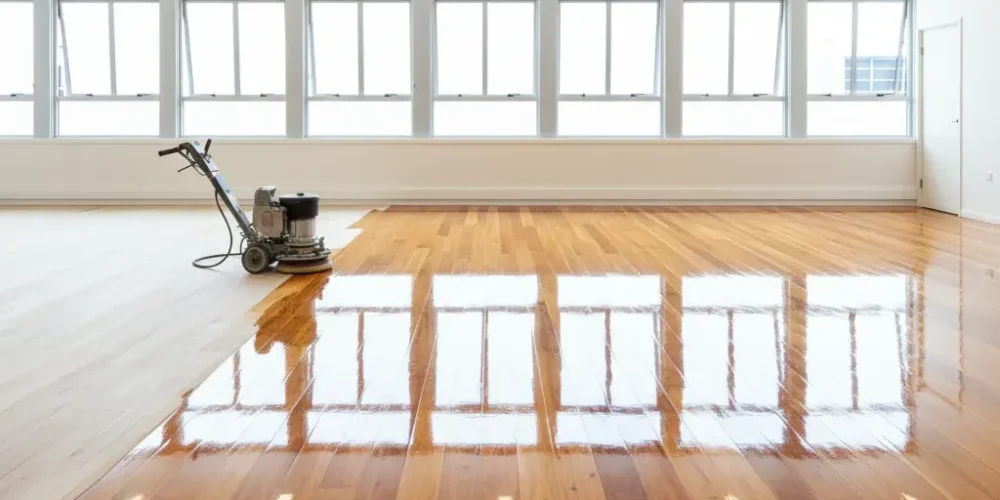
- We sand and coat one zone at a time, moving furniture and barriers as we go.
- Each zone gets proper cure time before staff or customers walk on it.
- We do a final inspection with you once every zone is done.
Done right, your customers won't even know we were there. That's the goal.
The finish type matters here too. Water-based polyurethane dries faster than solvent-based options, so we often recommend it for jobs where turnaround is tight. It means less smell and shorter cure windows between coats. For a busy Auckland cafe or showroom, that can shave a full day off the project.
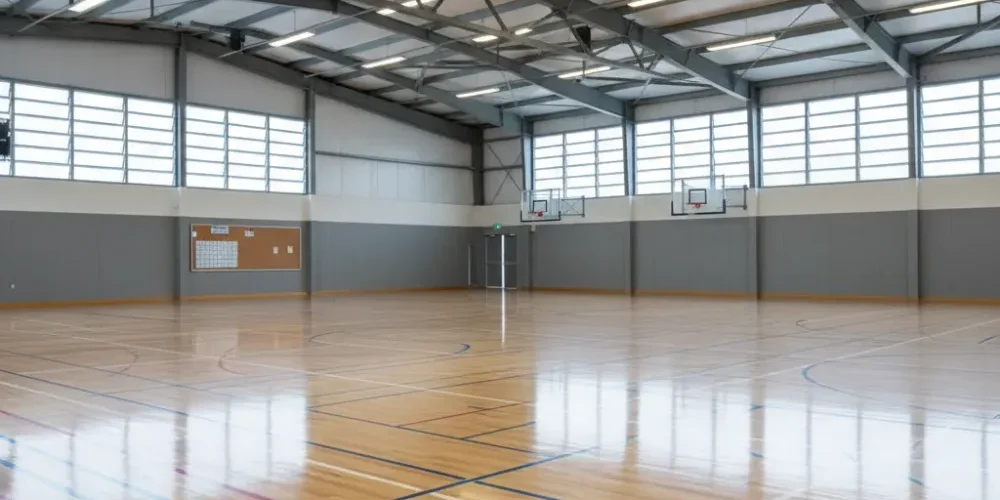
And look, some jobs genuinely need a full closure. School halls during term break. Gym floors over a long weekend. We'll tell you straight if that's the case. But for most retail and office spaces, we can work around your hours without dragging the job out.
Not sure how your space would work? Give us a call and we'll talk through the options. No obligation.
We've been doing this long enough to know that the best floor job is one your business barely feels. The result shows up in the timber, not in lost revenue.
Need help with commercial floor sanding and polishing?
Call now for a free estimate. Floor Sanding Auckland Experts is ready to help.
Finish Options That Hold Up in High-Traffic Commercial Environments
The finish makes or breaks a commercial floor. Get it wrong and you're back to square one within a year.
We see it all the time in Auckland. A retail shop or office puts down a residential-grade finish, then wonders why it's scuffing and peeling after a few months of foot traffic. Commercial spaces need something tougher. That's the reality of hundreds of people walking across your floor every day.
Here's what actually works in high-traffic commercial environments:
- Water-based polyurethane is our go-to for most commercial jobs. It dries fast, it's low odour, and it builds up hard. You can get two coats down in a day, which means less downtime for your business. We use it on office floors across Newmarket and it holds up brilliantly.
- Clear polyurethane coating gives you that classic look with serious durability. It sits on top of the timber and takes a beating without showing it.
- Hardwax oil finishes suit spaces where you want a more natural feel. Cafes and boutique stores love this look. The trade-off is you'll need more regular maintenance, but spot repairs are simple.
So how do you pick? It depends on your floor's daily punishment.
A gym floor in Auckland cops dropped weights and rubber soles all day. That needs a different approach than a showroom where people are browsing in street shoes. We match the finish to the wear pattern, not the other way around. Most business owners haven't thought about this distinction before we bring it up.
Sheen level matters too. High-gloss looks sharp on day one but shows every scratch and scuff mark within weeks in a busy space. We usually recommend a satin or matte finish for commercial floors. It hides wear better and looks professional longer.
And don't overlook slip resistance. Commercial floors in Auckland need to meet building code requirements. The right finish gives you grip without sacrificing appearance. We test every floor before handover to make sure it's safe for your staff and customers.
Whatever finish you choose, proper preparation underneath is what makes it last. That's the part most people never see.
Protecting Native Timber Floors in Auckland's Older Commercial Buildings
Some of the best timber floors in Auckland are hiding under decades of grime in older commercial buildings. We're talking original Rimu in Ponsonby retail shops. Matai in heritage office buildings along Queen Street. Kauri in church halls that haven't been touched since the 1960s.

These floors are irreplaceable.
That's not an exaggeration. You can't just pop down to the timber yard and pick up more old-growth Kauri. It doesn't exist anymore. So when we walk into a building with native timber underfoot, our whole approach changes. The goal isn't just making it look good. It's keeping that timber alive for another fifty years.
Native species each have their own quirks that affect how we handle the sanding and finishing work:
- Kauri is softer than most people expect. Go too aggressive with the sander and you'll dish out the grain. We use finer grits earlier in the process.
- Rimu has a resin content that can gum up abrasives fast. We swap pads more often and keep the dust extraction cranked right up.
- Matai is dense and hard, but old boards tend to have hidden nail holes and patches from previous repairs that need filling before we sand.
- Heart Totara can be brittle around the edges of boards. We check for loose sections and re-fix them before any machine touches the floor.
And here's something most building owners don't realise. A lot of older Auckland commercial floors have been coated with solvent-based polyurethane multiple times over the years. Each layer traps moisture differently. Stripping all that back without damaging the timber underneath takes patience. We can't just blast through it.
We see this every week. Someone calls because they've noticed the floor in their Parnell office looks tired and dull. They assume it needs replacing. Then we get in there, pull back a corner, and find gorgeous native timber that just needs proper care.
The finish matters too. For high-traffic commercial spaces with native timber, we often recommend water-based polyurethane. It doesn't yellow over time, so the natural colour of the wood stays true. That warm honey tone in Rimu? It stays where it should be instead of turning orange after six months.
If your Auckland building has original native timber floors, don't let anyone rush the job. These floors deserve the right touch.
Frequently Asked Questions
Common questions about commercial floor sanding and polishing services
How do I know if my Auckland commercial floor needs sanding or just a polish?
Pour a small amount of water on the floor — if it soaks in quickly or the timber darkens, you need sanding, not just a polish. If it beads up, a buff and recoat may be enough. Look for deep scratches that catch your fingernail, grey or blackened patches, or finish peeling underfoot. These signs mean the damage has gone past the coating and into the timber itself. Getting this call right saves you real money.
How long does commercial floor sanding take, and will my business need to close?
Most Auckland commercial floor sanding jobs do not require a full closure. We work in staged sections, sanding one zone at a time so your team keeps operating. Overnight and weekend scheduling is common — we have completed entire office floors over a single weekend, ready for staff by Monday morning. Water-based polyurethane dries faster than solvent-based finishes, which helps keep downtime short. The exact timeline depends on your floor size and how much prep work is needed.
Does commercial floor sanding create a lot of dust in my space?
Dust is reduced significantly because we run extraction systems on every sanding machine. The bulk of fine timber dust is captured at the source rather than settling on your stock or equipment. It is not completely dust-free, but most Auckland business owners are surprised by how little cleanup is needed afterwards. We mask and protect fixed counters, shelving, and equipment before any machine touches the floor, so your space stays as clean as possible throughout the job.
Does the type of timber in my floor affect how it gets sanded and finished?
Yes, timber species makes a real difference to how we approach the job. Rimu behaves differently to Matai, and a Kauri floor in a heritage building needs a different read than engineered timber in a newer fit-out. Auckland has a wide mix of older commercial buildings with native timbers and newer spaces with engineered products. We check the grain pattern, species, and how deep any damage goes before we start. Getting this right means a better result and a finish that actually lasts.
What finish is best for a high-traffic commercial floor in Auckland?
Water-based polyurethane is what we recommend for most Auckland commercial spaces. It dries faster than solvent-based products, handles heavy foot traffic well, and does not yellow over time. Solvent-based finishes can amber with age, which changes the look of lighter timbers. For retail floors, school halls, and offices where hundreds of people walk daily, a fast-drying, durable water-based coat means less downtime and a finish that holds up longer between services.
How do gap filling and board repairs work on older Auckland commercial floors?
Commercial floors almost always have gaps from timber movement, especially in older Auckland buildings. We fill gaps with a flexible filler matched to your timber species so the repair moves with the floor rather than cracking out. Damaged or rotten boards get replaced before we sand. Skipping this step and sanding over gaps or damaged boards just makes the problem more visible once the finish goes on. We assess every square metre before we start so nothing gets missed.
Ready to Get Started?
Call now for a free estimate Call 09 888 0793 today.