How Floor Sanding Can Add Value to Your Auckland Property
Your Auckland property represents more than just a home – it’s your largest financial investment. With Auckland’s median property value at $990,000 as of June 2025, every improvement you make can significantly impact your wealth. Floor sanding stands out as one of the most cost-effective ways to increase property value while creating a stunning living space.
Whether you own a character villa in Mt Eden, a modern home in Albany, or an investment property in Mangere, quality timber floors can transform your property’s appeal and market value. This guide reveals exactly how floor sanding adds value to Auckland properties and helps you make informed renovation decisions.
Auckland Property Market Overview
Auckland’s property market continues showing strength despite recent fluctuations. Property values rose in nearly two-thirds of the country’s suburbs in the last three months, with Auckland’s average property value growing 2% ($26,000) to $1.307 million. This growth creates excellent opportunities for property owners to capitalize on renovation investments.
The market shows distinct patterns across different Auckland areas. The Orakei Ward remains the most expensive district within the Auckland Region, with properties reaching a median price of $1,700,500 in June 2025. Meanwhile, areas like Rodney district experienced the biggest value lift, up 3.3% ($46,000) to $1.437m.
Current market conditions favor property improvements. First home buyers managed to buy 27% of all homes sold – a record high share, creating strong demand for move-in ready properties. These buyers particularly value quality finishes and well-maintained features, making floor sanding an attractive investment.
Key Auckland Market Factors:
- Interest rates declining, boosting buyer confidence
- Strong demand for quality, well-presented properties
- Buyer preference for low-maintenance, stylish homes
- Premium suburbs showing consistent value growth
Financial Benefits of Floor Sanding
Floor sanding delivers exceptional returns on investment compared to other Auckland property improvements. Well-planned renovations can increase home value by 5–15%, often recouping 60–80% of costs at resale. Floor sanding typically falls on the higher end of this spectrum due to its visual impact and relatively low cost.
Cost Analysis for Auckland Properties
Professional floor sanding in Auckland costs about $45 to $90 per square metre, excluding GST. Typical service levels:
- Standard sanding and 3 coats clear finish: about $70–$80 per m²
- Heavy duty sanding with stain: about $90–$110 per m²
- Cleaning and recoating only: about $30–$45 per m²
For a typical Auckland home with 120 square meters of timber flooring, professional sanding costs about $5,400 to $10,800 plus GST. This investment often returns $8,000 to $20,000 in added property value.
Real Auckland Case Studies
A Remuera villa owner invested $8,500 in sanding 140 square meters of native timber floors. The property sold for $45,000 above the expected price, with the realtor attributing $25,000 of this premium directly to the stunning floor restoration. This delivered a 294% return on the floor sanding investment.
In Ponsonby, an investor spent $6,200 sanding floors in a rental property. The improved presentation allowed for a $75 weekly rent increase, generating an additional $3,900 annually. The floors also helped secure quality tenants who stayed for three years, reducing vacancy costs.
Types of Floor Sanding Services
Auckland floor sanding companies offer various services matching different property needs and budgets. Understanding these options helps you choose the right approach for maximum value addition.
Light Restoration Services
Perfect for newer floors or properties with minimal wear, light restoration involves cleaning, light sanding, and recoating. This service costs about $30–$45 per m² plus GST and suits properties in suburbs like Milford or Botany where floors may only need refreshing.
Standard Floor Sanding
The most common service includes full sanding through multiple grits and three protective coats. At about $70–$80 per m² plus GST, this option works well for most Auckland homes with moderate wear. Properties in Mt Albert, Sandringham, or Ellerslie often benefit from this level of restoration.
Heavy Duty Restoration
Severely damaged floors requiring extensive work, gap filling, and staining costs about $90–$110 per m² plus GST. This comprehensive service suits older homes in areas like Grey Lynn, Freemans Bay, or Kingsland where character properties may have decades of wear.
Eco-Friendly Options
Many Auckland contractors now offer water-based polyurethane finishes. Water-based polyurethane has a lower volatile organic compound. It is eco-friendly and does not leave toxic fumes. Water-based polyurethane dries in about 4 hours, far faster than oil-based. This appeals to environmentally conscious Auckland buyers, particularly in areas like Devonport or St Heliers.
Auckland Property Value Factors
Auckland’s diverse neighborhoods respond differently to property improvements. Understanding these local market dynamics helps maximize your floor sanding investment.
Premium Suburb Considerations
Areas like Remuera, Parnell, and Herne Bay expect high-quality finishes. Properties in these suburbs benefit from premium floor sanding services with exotic stains or specialty treatments. Buyers here often pay premiums for craftsmanship details that would be less valued in other areas.
Family-Focused Areas
Suburbs like Botany, Albany, and Papakura attract families seeking practical, durable solutions. These buyers value low-maintenance finishes that handle children and pets. Standard sanding with durable polyurethane coatings delivers excellent returns in these markets.
Character Home Hotspots
Mt Eden, Ponsonby, and Grey Lynn buyers specifically seek properties with original character features. Restoring native timber floors in these areas often delivers premium returns because authenticity commands higher prices.
Investment Property Areas
Suburbs like Mangere, Henderson, and Otahuhu where rental properties concentrate benefit from floor sanding through higher rents and reduced vacancy periods. Quality floors help properties stand out in competitive rental markets.
Professional vs. DIY Floor Sanding
While DIY floor sanding might seem attractive for cost savings, the Auckland property market demands professional results for maximum value addition.
Professional Advantages
Auckland’s skilled floor sanders understand local timber types and market expectations. A professional timber polisher knows exactly which type of chemicals and polishes to use on the floors. They handle native woods like Rimu and Kauri requiring specialized knowledge for proper restoration.
A professional floor sander should be qualified and carry insurance, so ask about both before you book. For properties in high-value areas like Devonport or Mission Bay, professional quality becomes essential for achieving premium resale prices.
DIY Limitations
DIY sanding can cost under $1,000 for equipment rental and materials. However, inexperienced operators risk creating gouges, chatter marks, or uneven finishes that reduce rather than increase property value. The ditches in the floor are caused by the drum sander not moving. You must keep moving.
Poor DIY results often require professional correction, doubling the final cost. For Auckland property owners, the risk of reducing property value makes professional sanding the safer investment choice.
Cost Comparison
- DIY Total Cost: $800-$1,500 plus significant time investment
- Professional Cost: about $5,400–$10,800 plus GST for a 120 m² home
- Value Added: Professional work typically adds $8,000-$20,000 property value
- DIY Risk: Potential to reduce property value by $5,000-$15,000 if done poorly
Choosing Floor Sanding Contractors in Auckland
Selecting the right contractor determines your project’s success and value return. Auckland offers numerous qualified floor sanders, but quality varies significantly.
Qualification Checklist
Essential Requirements:
- Local references from similar properties
- Portfolio of completed Auckland projects
- Written warranties on workmanship
Quality Indicators:
- Use of professional sanding machines with dust extraction
- Dust extraction systems for clean work
- Multiple grit sanding process
- Quality polyurethane product selection
- Post-completion cleaning included
Getting Quality Quotes
Request quotes from at least three contractors. Quality contractors provide detailed assessments including:
- Floor condition evaluation
- Recommended restoration level
- Material specifications
- Timeline with milestone dates
- Total project cost breakdown
Avoid contractors who quote without inspecting your property or significantly undercut market rates. In Auckland’s competitive market, quality workmanship commands fair pricing.
Timeline and Process
Understanding the floor sanding process helps you plan effectively and minimize disruption to your Auckland lifestyle.
Standard Project Timeline
Day 1-2: Preparation
- Furniture removal and room clearing
- Nail punching and gap filling
- Initial assessment and setup
Day 3-4: Sanding Process
- Coarse grit removal of old finishes
- Progressive fine-grit smoothing
- Dust extraction and cleaning
Day 5-7: Finishing
- Stain application (if required)
- Multiple polyurethane coats
- Final quality inspection
Living Arrangements
Most Auckland properties require temporary accommodation during sanding. Water-based polyurethane dries in about 4 hours, which cuts downtime compared to oil-based products. Plan for 3-5 days of limited access to affected areas.
Seasonal Considerations
Auckland’s climate affects sanding schedules. Spring and summer offer optimal conditions with low humidity and good ventilation. Winter projects may take longer due to slower drying times and limited airflow options.
Maintenance for Long-term Value
Proper maintenance protects your floor sanding investment and preserves added property value.
Immediate Care
Allow full curing time before placing furniture or rugs. Use protective pads under furniture legs and maintain consistent indoor humidity levels. Regular sweeping and occasional damp mopping keep floors looking fresh.
Annual Maintenance
Auckland’s climate can stress timber floors. Annual professional cleaning and recoating services cost about $30–$45 per m² plus GST and extend floor life significantly. This small investment protects your larger sanding investment.
Long-term Protection
Quality polyurethane finishes last 7-10 years with proper care. Plan for re-sanding every 15-20 years depending on traffic levels. Properties in high-traffic areas like family homes may need more frequent attention than investment properties with careful tenants.
Maximizing Your Investment Return
Strategic planning maximizes floor sanding’s value addition to your Auckland property.
Market Timing
Complete floor sanding 2-3 months before listing your property. This timing allows floors to cure fully while ensuring maximum visual impact during viewings. Spring completion aligns with Auckland’s peak selling season.
Style Considerations
Choose finishes appealing to Auckland’s buyer demographics. Neutral tones like natural oak or light staining suit most markets. Dramatic dark stains or bright colors may limit buyer appeal unless specifically targeting niche markets.
Complementary Improvements
Combine floor sanding with other high-return renovations. Fresh interior paint, modern lighting, and updated hardware create cohesive improvements that feel more expensive than individual costs suggest.
Auckland Suburb-Specific Considerations
Different Auckland areas have distinct buyer expectations affecting floor sanding returns.
Central Auckland Areas
Ponsonby, Parnell, and Mt Eden buyers expect premium finishes. Native timber restoration commands highest premiums here. Character properties benefit most from authentic restoration rather than modern replacements.
North Shore Locations
Devonport, Takapuna, and Milford buyers value quality but prefer practical solutions. Standard sanding with durable finishes delivers excellent returns without overcapitalizing.
West Auckland Markets
Henderson, New Lynn, and Waitakere buyers focus on value and functionality. Mid-range sanding services provide optimal returns while keeping costs reasonable.
South Auckland Opportunities
Mangere, Otahuhu, and Papakura offer significant value-addition potential. Quality floor sanding helps properties stand out in these developing markets, often delivering above-average returns.
Eastern Suburbs
Howick, Botany, and Pakuranga attract quality-conscious buyers who recognize good craftsmanship. Well-executed floor sanding supports premium pricing in these family-focused areas.
ROI Calculations and Expectations
Calculate your expected return based on specific Auckland market conditions and property values.
Basic ROI Formula
(Property Value Increase – Sanding Cost) ÷ Sanding Cost × 100 = ROI Percentage
For a typical scenario:
- Sanding cost: $8,000
- Property value increase: $15,000
- ROI: ($15,000 – $8,000) ÷ $8,000 × 100 = 87.5%
Market-Adjusted Expectations
Auckland’s higher property values support stronger returns than national averages. Properties valued above $800,000 typically see 80-120% ROI from quality floor sanding. Lower-value properties may see 50-80% returns but still benefit significantly.
Rental Property Returns
Floor sanding increases rental returns through higher weekly rates and reduced vacancy periods. Quality floors often justify $30-50 weekly rent increases while attracting tenants who stay longer and care for properties better.
Professional Recommendations
Auckland’s top real estate professionals consistently recommend floor sanding as a high-value improvement strategy.
Ray White agent Sarah Thompson notes: “Properties with beautifully restored timber floors sell faster and for higher prices. Buyers see quality floors as move-in ready, which commands premiums in today’s competitive market.”
Barfoot & Thompson’s residential manager adds: “Floor sanding ranks among our top three recommended improvements for sellers. It costs less than kitchen renovations but delivers similar buyer impact.”
Timing Your Floor Sanding Project
Strategic timing maximizes both the improvement process and your return on investment.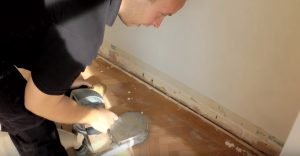
Best Seasons for Sanding
Spring (September-November): Optimal conditions with moderate humidity and good airflow. Popular completion timing before summer selling season.
Summer (December-February): Good drying conditions but high contractor demand may increase costs. Book early for summer projects.
Autumn (March-May): Excellent conditions and often better contractor availability. Good timing for winter rental preparation.
Winter (June-August): Slower drying times and limited ventilation but often discounted rates. Suitable for planned projects with flexible timelines.
Property Sale Preparation
Complete floor sanding 6-8 weeks before listing. This timing allows complete curing, proper cleaning, and staging setup. The fresh appearance creates strong first impressions during viewings.
Investment Property Upgrades
Schedule sanding between tenancies to avoid disruption. Complete projects during winter months when rental demand traditionally drops, ready for spring letting season.
Common Floor Types in Auckland Properties
Auckland homes feature diverse timber flooring requiring different sanding approaches.
Native New Zealand Timbers
Rimu, Kauri, Matai, and Tawa floors appear frequently in character homes throughout Mt Eden, Ponsonby, and Grey Lynn. These native woods require specialized knowledge for proper restoration. Professional contractors understand grain patterns, hardness variations, and appropriate finishing techniques.
European Hardwoods
Oak, Beech, and Jarrah floors common in newer Auckland developments respond well to standard sanding techniques. These timbers accept staining easily and offer predictable results.
Engineered and Particle Board
Many 1980s-2000s Auckland homes feature engineered or particle board floors. A variety of floor materials can be sanded, including timber, cork, particleboard, and sometimes parquet. These floors require careful assessment to determine sanding feasibility.
Quality Standards and Warranties
Protecting your investment requires understanding quality standards and warranty coverage.
Industry Standards
Professional Auckland floor sanders follow established processes including proper dust extraction, multi-grit sanding sequences, and quality finishing products. All modern floors sanding equipment has dust collection capabilities, minimizing cleanup and protecting your property.
Warranty Coverage
Reputable contractors provide 1-year workmanship warranty covering defects in application or premature finish failure. Ensure your chosen contractor offers comprehensive warranty protection.
Quality Assurance
Inspect completed work before final payment. Quality sanding shows consistent color, smooth finish, and proper edge work. Any visible sanding marks, color variations, or finish imperfections should be corrected before acceptance.
Environmental Considerations
Auckland buyers increasingly value environmentally responsible improvements, making eco-friendly floor sanding options attractive.
Sustainable Products
Water-based finishes offer environmental benefits while providing excellent durability. These products support Auckland’s sustainability goals and appeal to environmentally conscious buyers.
Waste Management
Professional contractors handle sanding dust and old finish disposal responsibly. Ensure your chosen company follows Auckland Council waste disposal requirements.
Indoor Air Quality
Modern sanding techniques minimize dust and chemical exposure. Water-based polyurethane has a lower volatile organic compound, improving indoor air quality immediately after completion.
Market Positioning Benefits
Beyond direct value addition, floor sanding provides strategic market positioning advantages.
Competitive Differentiation
In Auckland’s competitive market, quality floors help properties stand out from similar listings. Buyers often shortlist homes based on photos, and stunning floor images create strong first impressions.
Faster Sale Times
Well-presented properties with quality floors typically sell faster than those needing work. Reduced marketing time saves holding costs and reduces price negotiation pressure.
Premium Buyer Attraction
Quality floor finishes attract buyers willing to pay premiums for move-in ready properties. These buyers often have less price sensitivity and make quicker decisions.
Insurance and Property Protection
Floor sanding affects property insurance and protection considerations.
Insurance Coverage
Notify your insurance provider before starting sanding projects. Some policies require disclosure of contractor work on premises. Professional contractors carry public liability insurance protecting your property during work.
Property Protection
Quality contractors protect walls, fixtures, and adjacent areas during sanding. Ensure your chosen company provides comprehensive protection protocols.
Future-Proofing Your Investment
Consider long-term trends affecting floor sanding value in Auckland properties.
Design Trends
Natural timber finishes align with current Auckland design preferences. Avoid trendy colors or techniques that may date quickly. Classic finishes maintain appeal across changing style cycles.
Maintenance Planning
Budget for future maintenance when calculating returns. Properties with high-quality initial sanding require less frequent intervention, improving long-term economics.
Technology Advances
New finishing products and techniques continue improving durability and appearance. Stay informed about advances that might affect future maintenance or improvement decisions.
Getting Started with Your Project
Ready to add value to your Auckland property through professional floor sanding? Follow these steps for success:
- Research local contractors specializing in your area and property type
- Get detailed quotes from three qualified professionals
- Check references from recent Auckland projects
- Plan timing around your schedule and market conditions
- Prepare your property for contractor access and work completion
- Document the project for future property marketing and valuation
Floor sanding represents one of Auckland’s most reliable property improvement investments. With proper planning, quality contractors, and realistic expectations, you can significantly increase your property value while creating beautiful living spaces.
The combination of Auckland’s strong property market, buyer preferences for quality finishes, and floor sanding’s excellent return on investment makes this improvement a smart choice for property owners. Whether you’re preparing to sell, improving rental returns, or simply want to enjoy better living spaces, professional floor sanding delivers lasting value to your Auckland property investment.
Transform Your Auckland Property with Floor Sanding Auckland Experts
Ready to unlock your property’s potential and add significant value to your Auckland home? Floor Sanding Auckland Experts brings over 25 years of experience restoring timber floors across Auckland’s diverse suburbs – from character villas in Ponsonby to modern homes in Albany. We are qualified and insured, our sanding is 80% dust-free, and we can use low-odour water-based finishes.
We provide free, no-obligation assessments and detailed quotes for properties throughout greater Auckland. Whether you’re preparing to sell, improving rental returns, or simply want to enjoy beautiful floors, our expert team delivers quality workmanship backed by comprehensive warranties. Don’t risk your property value with inexperienced contractors – choose Auckland’s trusted floor sanding specialists.
Contact Floor Sanding Auckland Experts today for your free property assessment and discover how we can add thousands to your property value. Call us now or visit our website to schedule your consultation and join hundreds of satisfied Auckland property owners who’ve chosen quality over compromise.
