Floor Refinishing vs. Replacement: Which is Best for Auckland Homes?
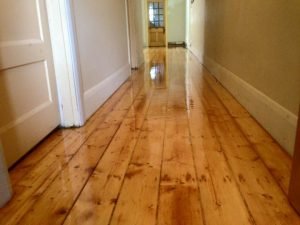
Timber floors are one of the most loved features of Auckland homes. They add warmth, character, and long-lasting style. But over time, everyday wear, scratches, and moisture can leave them looking dull and damaged. When this happens, many homeowners face the same question: Should I refinish my floors or replace them entirely?
Both options have their place, but the right choice depends on the condition of your floors, your budget, and Auckland’s unique humid climate. Let’s explore the differences to help you make the best decision for your home.
What is Floor Refinishing?
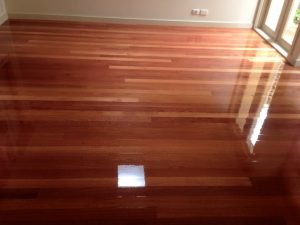
Floor refinishing involves sanding down the surface of your timber floors to remove scratches, stains, and old polish. Once the surface is smooth, a fresh protective finish—usually polyurethane—is applied to restore shine and protect the timber underneath.
Refinishing is ideal when floors are scratched, dull, or uneven but the timber boards are still structurally sound. It’s also popular in Auckland villas and heritage homes, where keeping the original timber adds charm and authenticity.
What is Floor Replacement?
Floor replacement means removing your existing floorboards and installing new timber or engineered wood. This is a more extensive process that requires more time and budget but results in brand-new floors.
Replacement is usually necessary when floors have severe water damage, rot, or warping that refinishing can’t fix. It’s also a good option if you want a completely new style or layout.
Key Differences Between Refinishing and Replacement
Here’s how the two options compare:
-
Appearance: Refinishing restores your floor’s natural beauty, while replacement allows for a completely new look.
-
Durability: Refinished floors can last another 7–10 years, while new floors may last decades if properly maintained.
-
Time: Refinishing usually takes 2–4 days, while replacement can take a week or more, depending on the size of the project.
-
Cost: Refinishing is far more affordable, often costing a fraction of what replacement would.
How Auckland’s Climate Affects the Decision
Auckland has a humid subtropical climate, with average humidity levels sitting between 70–80% year-round. Timber floors naturally expand and contract with changes in moisture, which can cause surface wear, dull finishes, or even gaps between boards.
In most cases, refinishing is the smarter option for Auckland homeowners, as it removes surface damage while protecting the wood from further moisture effects. However, if floors have suffered extensive water damage from leaks, flooding, or long-term dampness, replacement may be unavoidable.
Pros and Cons of Refinishing
Benefits of Refinishing:
-
Cost-effective compared to replacement
-
Less disruption—usually completed in a few days
-
Preserves original timber and character
-
Eco-friendly since no materials are wasted
Drawbacks of Refinishing:
-
Cannot fix severe water damage or deep structural issues
-
Only possible if enough timber thickness remains for sanding
Pros and Cons of Replacement
Benefits of Replacement:
-
Completely new look and style options
-
Longer lifespan with new boards
-
Allows for modern timber or engineered flooring upgrades
Drawbacks of Replacement:
-
Higher cost—materials and installation add up quickly
-
More disruptive, with longer project timelines
-
Wastes usable timber if existing boards could be refinished
Cost Breakdown for Auckland Homes
-
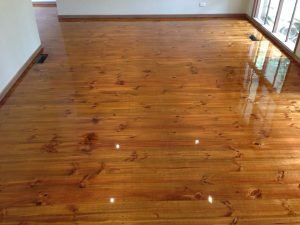
Refinishing Costs: On average, refinishing timber floors in Auckland ranges from $40–$80 per square metre, depending on the finish and condition of the floors.
-
Replacement Costs: Replacing timber floors can cost $120–$200+ per square metre, including removal, materials, and installation.
For most households, refinishing is the more budget-friendly and practical option unless the floors are beyond repair.
Which Option Adds More Value to Your Home?
In Auckland’s property market, refinished floors add immediate visual appeal, making homes look cleaner, brighter, and more attractive to buyers. Heritage villas especially benefit from keeping their original timber.
Replacement may add more long-term value in cases where floors are severely damaged or outdated. However, for most homeowners, refinishing offers the best balance of affordability, character, and return on investment.
Why Work with Floor Sanding Auckland Experts
At Floor Sanding Auckland Experts, we specialise in helping homeowners decide between refinishing and replacement. Our team has years of experience working with Auckland’s unique climate and timber types, from polished floors in modern builds to delicate villa restorations.
We offer:
-
Wood floor refinishing for dull or scratched floors
-
Wood floor repairs for damaged boards
-
Polishing and staining to refresh the look of timber
-
Honest advice if replacement is the better option
We don’t just restore floors—we help homeowners protect their investment and create a home they’re proud of.
Conclusion
So, should you choose refinishing or replacement? For most Auckland homes, refinishing is the best option, offering a cost-effective, eco-friendly way to bring timber floors back to life. Replacement is only needed in cases of severe damage or when a completely new style is desired.
If your floors are looking tired or worn, contact Floor Sanding Auckland Experts today. We’ll assess your floors, explain your options, and help you achieve beautiful results that last.
