Timber Floor Types & Sanding Challenges in Auckland Homes
Why Timber Type Matters for Sanding
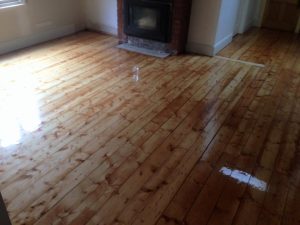
Timber floors are among the most enduring features of Auckland homes. They provide warmth, character, and long-lasting value. However, every timber species has its own grain structure, hardness, and finishing requirements. A floor sanding approach that works well for matai may not suit kauri, and parquet floors demand entirely different handling than standard boards.
Across Auckland, the mix of housing stock tells the story of timber use:
- Heritage villas in Ponsonby, Devonport, and Mt Eden typically have kauri or matai.
- State houses from the 1940s–1960s in Mt Roskill, Glen Innes, and Henderson often feature matai or rimu.
- 1960s–1980s suburban builds in Glenfield and Pakuranga commonly used tawa.
- Parquet floors are popular in mid-century and 1980s Remuera or Epsom townhouses.
Understanding the timber type is the foundation of successful floor restoration. It ensures sanding is safe, efficient, and produces a finish that enhances rather than damages the natural character of the wood.
Kauri Floors – Soft but Iconic
Kauri is Auckland’s most historically significant timber. Its warm, honey-gold tones and wide boards remain highly desirable, particularly in villas.
Challenges:
- Softness: Kauri dents and scratches easily, making it sensitive to aggressive sanding.
- Board gaps: Over a century of expansion and contraction leaves visible gaps.
- Raised nails: Early flooring techniques used nails that now sit near the surface, which must be punched down before sanding.
- Patchwork repairs: Many villas have a mix of old and new boards, making colour consistency tricky.
Professional approach:
- Contractors use a gradual sanding process with finer grits to protect the soft surface.
- Resin mixed with kauri dust or timber slivers fills gaps, improving insulation and finish.
- Water-based polyurethane is often applied to preserve kauri’s natural pale tones, while oils can slightly deepen colour.
Tip for homeowners: If you own a villa in Ponsonby or Grey Lynn, ask your contractor if they can source reclaimed kauri for repairs. Matching old timber is crucial to retaining authenticity.
Matai Floors – Durable but Resinous
Matai is a harder native timber that became widespread in mid-20th-century homes. Its reddish-brown tones provide a rich backdrop to interiors.
Challenges:
- Hard surface: Matai takes longer to sand and requires sharper abrasives.
- Resin bleed: Resin pockets sometimes release during sanding, leaving sticky spots that must be sealed.
- Water staining: Particularly around kitchens and laundries, matai floors often show blackened patches from spills.
Professional approach:
- Sanding begins with coarse grits to cut through the hard surface, followed by finer passes.
- Resin bleed is neutralised with sealers before the finish is applied.
- For water stains, deep sanding may be required; if stains are permanent, staining the entire floor can mask them.
Best finishes:
- Satin oil-based polyurethane enhances matai’s colour depth.
- Water-based polyurethane lightens matai’s natural amber tone for a more modern aesthetic.
Tip: In high-traffic areas such as hallways, oil-based polyurethane is often preferred for durability, even though it takes longer to cure.
Rimu Floors – Classic but Uneven
Rimu is one of New Zealand’s most versatile timbers and remains common in Auckland homes. Its colour variation, ranging from golden-brown to deep red, makes it highly attractive but also tricky during restoration.
Challenges:
- Inconsistent density: Rimu’s grain can vary within a single plank, leading to uneven sanding.
- Sun fading: North-facing rooms often show pale, worn sections near windows compared to darker shaded areas.
- Patchy wear: Kitchens and hallways may show deeper grooves than bedrooms.
Professional approach:
- Careful sanding with multiple grit stages helps achieve an even surface.
- Sun-faded areas may require staining to balance colour.
- Contractors often apply extra coats in high-traffic areas for durability.
Best finishes:
- Oil-based polyurethane enhances rimu’s natural depth and brings out its grain.
- Water-based polyurethane offers a matte look, making rooms feel lighter and more modern.
Tip: If you’re restoring rimu floors in a rental property, opt for satin polyurethane — it balances durability with a timeless look that appeals to tenants.
Tawa Floors – Light but Easily Scratched
Tawa became popular in suburban builds from the 1960s to the 1980s. Its creamy colour brightens interiors, but the wood itself is more prone to dents and scratches.
Challenges:
- Surface softness: Although harder than kauri, tawa still dents easily.
- Light colour: Scratches, stains, and patch repairs are highly visible.
- Staining issues: Tawa absorbs stains inconsistently, which can result in blotchy finishes.
Professional approach:
- Contractors often recommend staining tawa to achieve a darker, more consistent look.
- Pre-stain treatments are sometimes applied to reduce blotching.
- Polyurethane sealers — either water-based for a modern clear look or oil-based for warmth — provide strong protection.
Tip for homeowners: If you’re renovating a Pakuranga or Glenfield home with tawa floors, consider a mid-tone stain. It hides imperfections better and creates a more contemporary appearance.
Parquet Floors – Stylish but Complex
Parquet flooring, often made from rimu, tawa, or oak blocks, is a design feature that adds character to Auckland homes. Found in Remuera, Epsom, and 1980s townhouses, it requires specialist attention.
Challenges:
- Multi-directional grain: Sanding across block patterns risks tearing fibres.
- Loose blocks: Age and past moisture issues often loosen sections that must be re-glued.
- Unevenness: Blocks shift over time, creating ridges.
Professional approach:
- Sanding is done diagonally and with smaller machines to follow changing grain directions.
- Loose blocks are repaired before sanding begins.
- Staining parquet requires great care, as blocks can absorb colour differently.
Best finishes:
- Satin polyurethane is the most common, as it highlights parquet’s geometry without being overly glossy.
- Light stains can modernise parquet while maintaining its unique appeal.
Tip: Parquet is a premium feature — restoring it properly can significantly boost a home’s value in suburbs like Remuera.
Heritage Villa Floors – Added Challenges
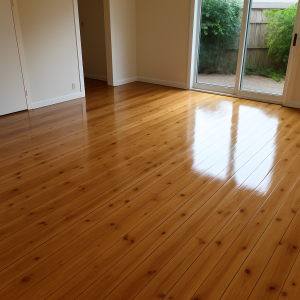
Auckland’s villas, concentrated in Ponsonby, Mt Eden, Parnell, and Devonport, are over 100 years old. Their floors often present extra difficulties:
- Nail punching: Old nails rise above the surface and must be hammered down.
- Gap filling: Wide gaps are filled with resin mixes or timber slivers.
- Board replacement: Rot-damaged or missing boards must be replaced with matching reclaimed timber.
- Uneven surfaces: Subsidence or shifting foundations can leave floors sloped.
Restoring villa floors is as much about preservation as appearance. Contractors balance maintaining historic character with delivering a polished, usable surface.
Choosing the Right Finish for Each Timber Type
Finishes protect timber and define its look.
- Kauri: Water-based polyurethane to retain brightness.
- Matai: Satin oil-based polyurethane for depth.
- Rimu: Oil-based for richness, water-based for modern matte.
- Tawa: Best with stain plus polyurethane.
- Parquet: Satin polyurethane or custom stain to highlight design.
Timber Floor Sanding at a Glance
| Timber Type | Common Suburbs | Sanding Challenges | Recommended Finishes |
|---|---|---|---|
| Kauri | Ponsonby, Grey Lynn, Devonport | Soft, gaps, nails | Water-based poly, light oils |
| Matai | Mt Roskill, Glen Innes, Henderson | Hard, resin bleed, stains | Satin oil-based poly |
| Rimu | Widespread mid-century homes | Uneven sanding, fading | Oil-based or water-based poly |
| Tawa | Glenfield, Pakuranga, West Auckland | Scratches, uneven staining | Stain + polyurethane |
| Parquet | Remuera, Epsom townhouses | Multi-grain, loose blocks | Satin poly, light stain |
Why Hire a Professional for Auckland Timber Floors
Sanding can be attempted DIY, but Auckland timber floors require skill and specialised tools:
- Local knowledge: Professionals know how kauri, matai, rimu, and tawa react to sanding and finishing.
- Dust-free systems: Modern equipment minimises mess and protects health.
- Repairs: From gap filling to board replacement, professionals manage jobs homeowners can’t.
- Consistent finishes: Even application of polyurethane or stain prevents streaks and uneven curing.
Conclusion
Every Auckland timber floor has its quirks. Kauri is soft but treasured, matai is tough but resinous, rimu is classic but uneven, tawa is light but scratch-prone, and parquet is stylish but complex. Knowing these challenges ensures floors are restored with care.
For homeowners, the smartest step is to trust local floor sanding and polishing professionals who understand both Auckland’s timbers and its climate. With the right sanding and finishing, timber floors can be preserved for decades, adding both comfort and value to the home.
At Floor Sanding Auckland Experts, we’ve restored timber floors in villas, bungalows, and modern homes across the region. Contact us today for a free in-home assessment.
