How to Prepare Your Home Before Floor Sanding Begins
Timber floor sanding is a highly effective way to restore the natural beauty of timber floors. Over time, floors can become scratched, dull, or stained, and sanding removes the worn surface layer to create a smooth, clean base for refinishing.
Good preparation before your floor sanding team arrives is essential. It ensures that work can start promptly, reduces delays, protects your belongings, and helps achieve the best results. This guide explains all the steps homeowners should take to prepare for floor sanding, with practical advice tailored for homes in Auckland.
Why preparation is important
Floor sanding creates dust, noise, and vibration. Professional sanding teams require clear access to the floor and working power outlets. Preparing properly helps reduce inconvenience during the job and leads to better-quality outcomes.
By understanding what to do before work begins, you can make the process smoother for both yourself and your contractor.
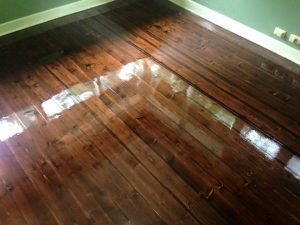
Clear the room completely
Before sanding starts, remove everything from the room where work will take place. This includes:
- Furniture such as tables, chairs, sofas, and bookshelves
- Rugs, mats, or other floor coverings
- Décor items like lamps, ornaments, and indoor plants
Storing items elsewhere keeps them safe and avoids accidental damage. Storage options include spare rooms, garages, or hiring short-term storage facilities. If you cannot move large furniture, discuss options with your contractor before the project begins. Many contractors can assist with heavy items if arranged in advance.
Removing all items allows sanding machines to reach every part of the floor for a consistent finish.
Remove curtains, blinds, and wall hangings
Fine dust created during sanding settles on surfaces throughout the room. To protect fabrics and artwork:
- Take down curtains, drapes, and blinds
- Remove wall-mounted mirrors, paintings, and framed photos
Even rooms near the work area can be affected by dust and vibration, so it is sensible to remove fragile wall hangings from adjacent spaces as well.
Pack away fragile and valuable items
Vibrations from sanding machines can cause delicate objects to move or fall, even in rooms where work is not being carried out. Protect your valuables by packing away:
- Glassware
- Ceramics
- Collectibles
- Electronic devices
- Small sculptures
Place fragile items in a safe storage area far from the sanding work.
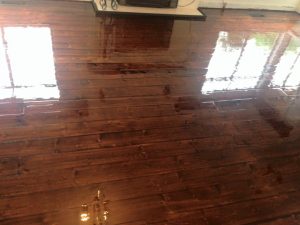
Protect adjacent rooms from dust
Dust from sanding spreads easily into other areas of the house. To reduce cleanup and protect adjoining rooms:
- Close all doors to rooms near the sanding area
- Seal door edges using painter’s tape
- Hang plastic sheeting over open doorways or archways
- Cover air vents to prevent dust from circulating through the ventilation system
If your house has an open-plan design, ask your contractor to recommend additional dust containment methods. Many professional teams in Auckland use dust control systems, but preparation helps further minimize spread.
Inspect the floor for loose boards and nails
Before sanding begins, inspect your timber floors carefully to identify issues that could interfere with sanding machines. Look for:
- Loose or creaking floorboards that may need repair
- Raised nail heads that should be punched below the timber surface
Loose boards and raised nails can damage sanding equipment and affect the smoothness of the finish. If you find problems or are unsure about the condition of the floor, let your contractor know before work begins so repairs can be included in the job.
Ensure access to working power outlets
Sanding machines, edgers, and polishing equipment require reliable power. Make sure there are working electrical outlets near the room to be sanded. Clear any obstacles that might block access to those outlets.
If your house has older wiring, consider discussing power supply requirements with your contractor beforehand. Extension cords or temporary leads may be needed for safe operation.
Plan for noise and disruption
Floor sanding is a noisy process. Sanding machines produce significant noise and vibration, and this can cause disruption for household members and pets.
- Plan alternative arrangements for pets who might be distressed by loud noise
- Prepare to spend time away from the work area during sanding and finishing
- Expect restricted access to rooms being worked on, not just during sanding but also during drying times for finishes
If you live in a townhouse or apartment, inform neighbours about the expected noise and duration of work as a courtesy.
Also consider your household routine. If anyone works from home or studies online, schedule the sanding on days when the noise will cause less disruption.
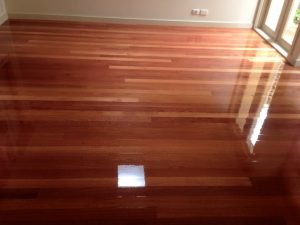
Prepare for ventilation and air quality
Once sanding is complete, coatings and finishes will be applied to protect the timber. Many finishes produce fumes that require proper ventilation during application and drying.
- Ensure windows in the work area can be opened easily
- Discuss ventilation requirements with your contractor
- Identify ways to maintain air circulation safely while work is underway
Good ventilation is important for Auckland homes where humidity and airflow can affect drying times. Allowing air exchange helps speed drying so you can return to normal use sooner.
Communicate with your contractor
Good preparation includes clear communication. Discuss these details with your floor sanding contractor before the scheduled start date:
- Any large or difficult-to-move furniture that will remain
- Areas of the floor that may need repair
- Access arrangements to the house and work areas
- Power supply options and safety considerations
- Your expectations around dust control, noise levels, and disruption
If you have preferences about finishes or coatings, this is also a good time to discuss options such as water-based versus solvent-based polyurethane and your preferred finish type (satin, matte, or gloss).
Consider Auckland-specific factors
Homes in Auckland present unique floor sanding challenges. For example:
- Homes near the coast experience higher humidity affecting timber and drying times
- Older villas and bungalows may have uneven or historic timber floors that need extra care
- Auckland’s changing weather means planning ventilation carefully is important
Auckland native timbers like kauri and rimu may need different sanding approaches. Mention your floor type when you book the job so your contractor can prepare properly.
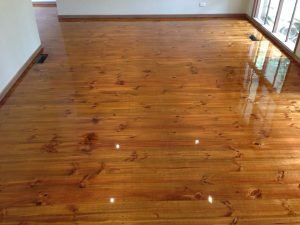
Avoid common mistakes
Homeowners sometimes overlook preparation details. Avoid delays by ensuring you have:
- Secured cables or wiring near the floor
- Cleared paths to exits and windows
- Disabled alarms or motion sensors that could be triggered by vibration
- Arranged care for pets during work hours
If you have any questions about preparation, ask your contractor. A good contractor will explain what to expect so you feel comfortable before work begins.
Benefits of good preparation
By preparing properly, you protect your belongings, reduce labour time, and achieve a cleaner, smoother finish. Preparation also minimizes disruption to your household and creates conditions that allow coatings to cure correctly so your floors last longer.
Quick preparation checklist
- Empty the room completely
- Remove curtains, blinds, and wall hangings
- Pack away fragile or valuable items
- Protect adjacent rooms from dust
- Inspect floors for raised nails or loose boards
- Ensure access to power outlets
- Plan for noise and disruption
- Discuss ventilation needs with your contractor
- Communicate any concerns before work begins
Conclusion
Preparing your home carefully before floor sanding begins ensures a smooth, efficient process and excellent results. It protects your belongings, saves time, and allows your contractor to deliver a high-quality finish.
If you are planning a floor sanding project in Auckland, the team at Floor Sanding Auckland Experts is ready to help. We can advise on the best preparation steps for your home and provide a free quote.
Contact us today to discuss your floor sanding needs and get expert advice on how to prepare your home.
